1 hr 30 min
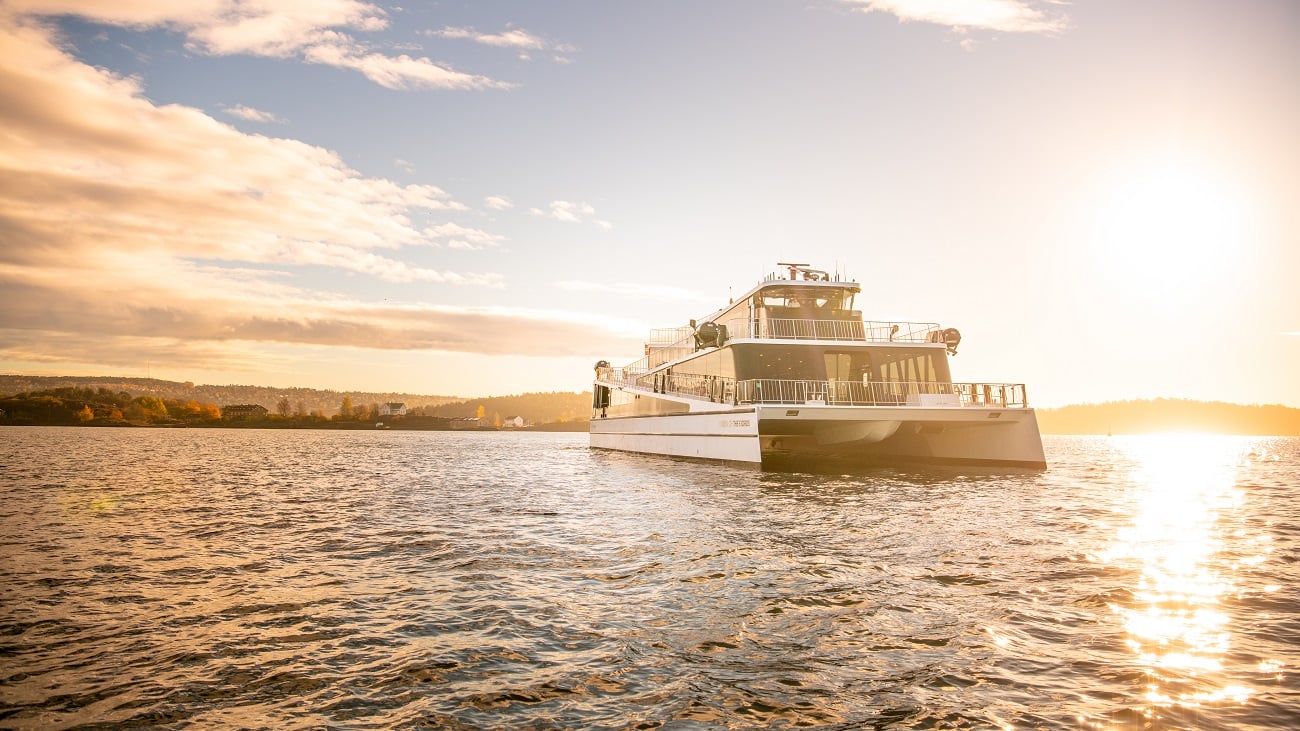
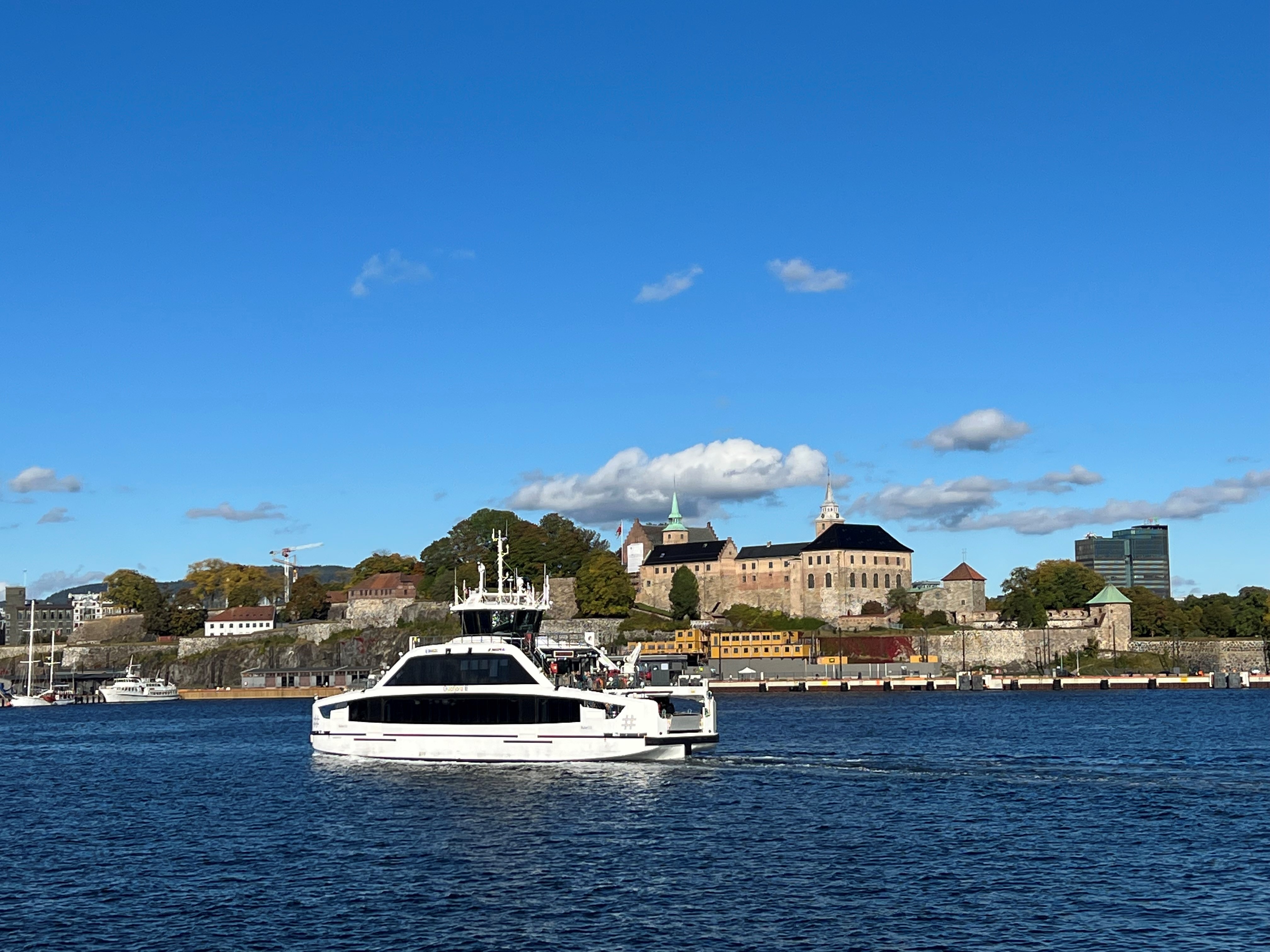
Oslo Fjord Electric Boat Tour with Audio Guide
- Expert local guide
- Small group
- Skip-the-line access
- Free cancellation
Oslo Opera House — Roof Access, Performances & Guided Tours
Walk the marble roof above the fjord, reserve ballet and opera seats for Norway's flagship stage
Compare fares, pick the fit — all bookings are mobile-voucher and eligible for free cancellation where shown.
1 hr 30 min
2 hr
2 hr
| Experience | Duration | Rating | Skip-the-line | Guide | Small group | Free cancel. | Price | |
|---|---|---|---|---|---|---|---|---|
|
Guided Experience
Most popular
Oslo Fjord Electric Boat Tour with Audio Guide
|
1 hr 30 min | ★ 4.5 | ✓ | ✓ | ✓ | ✓ | €40 | Book → |
|
Standard Entry
Oslo Fjord Wooden Sailing Boat Cruise
|
2 hr | ★ 4.5 | — | — | — | ✓ | €40 | Book → |
|
Guided Experience
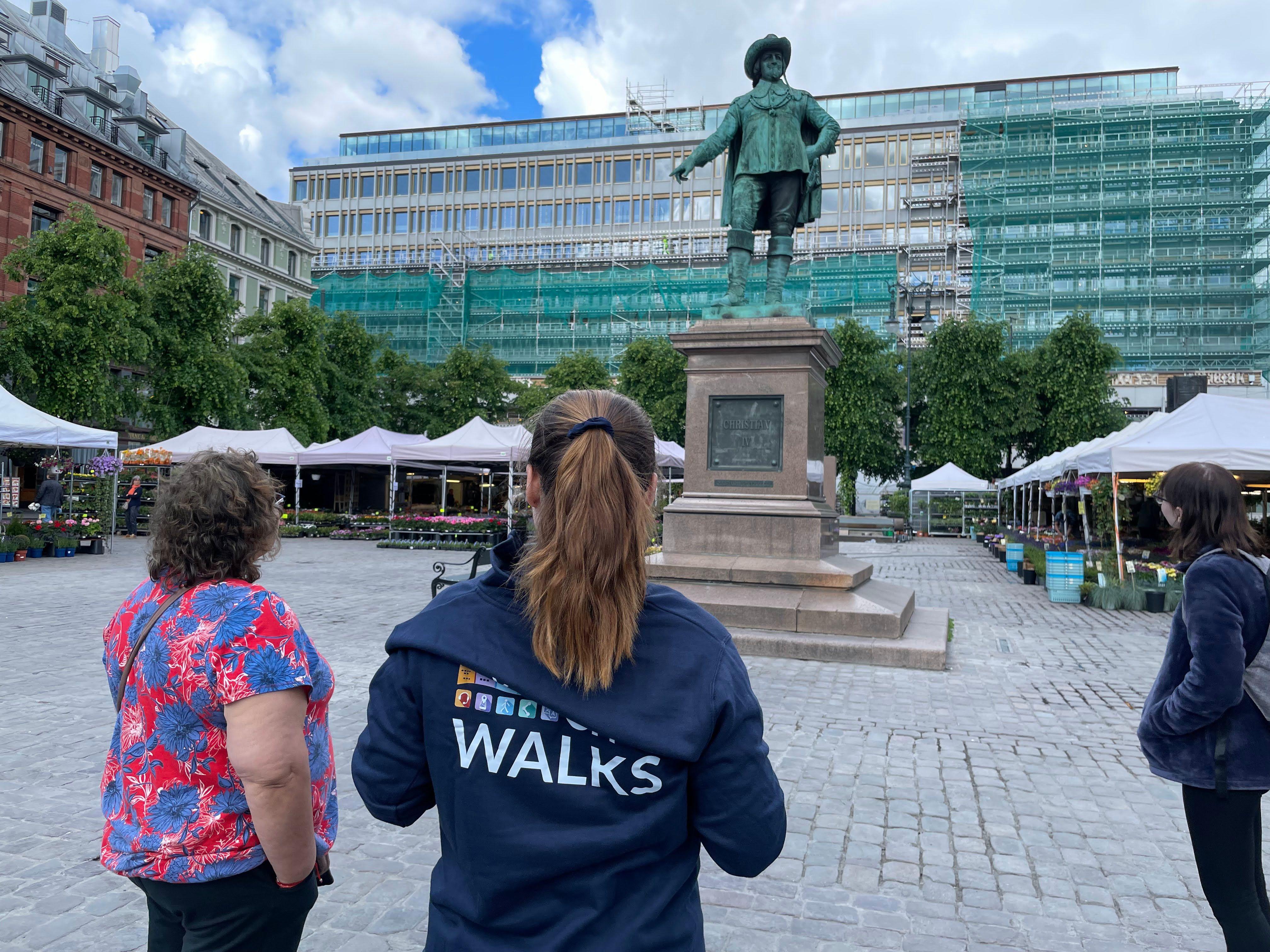
Central Oslo Guided Walking Tour
|
2 hr | ★ 4.7 | ✓ | ✓ | ✓ | ✓ | €14 | Book → |
Hand-picked experiences loved by thousands of travelers
2 hours
Free Cancellation
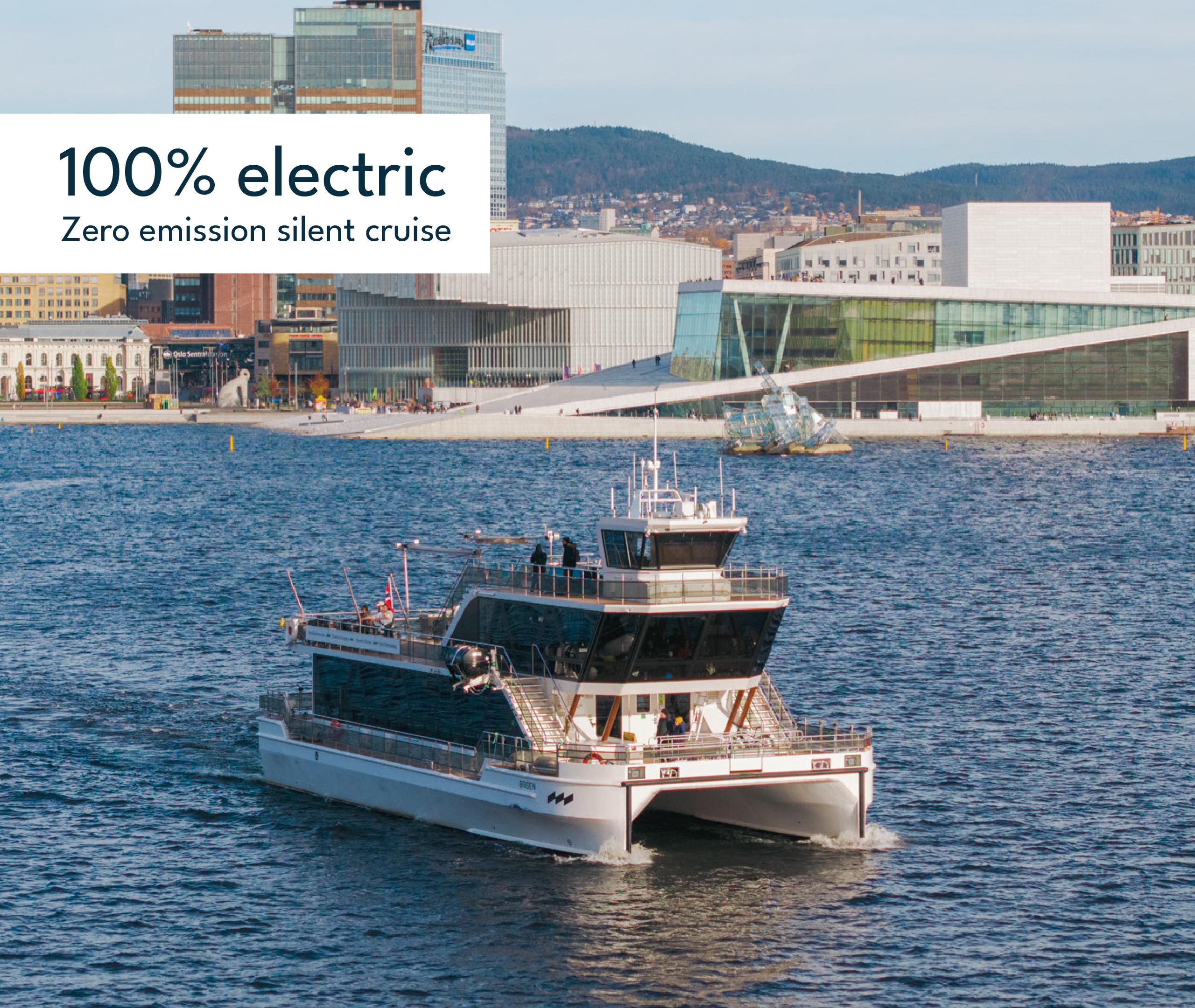
Glide silently through Oslo's harbor and island-dotted fjord aboard a zero-emission electric boat
2 hours
Free Cancellation
Discover Norway's capital on foot, from medieval fortresses to waterfront opera and royal grandeur
2 hours
Free Cancellation
Glide through Oslo's stunning fjord aboard an eco-friendly hybrid vessel with expert commentary and panoramic views.
5.5 hours
Free Cancellation
Explore Norway's capital by land and water on this comprehensive half-day adventure with expert guides
2 hours 30 minutes
Free Cancellation
Sail through scenic waters aboard an electric vessel while savoring a three-course meal and live entertainment
2 hours
Free Cancellation
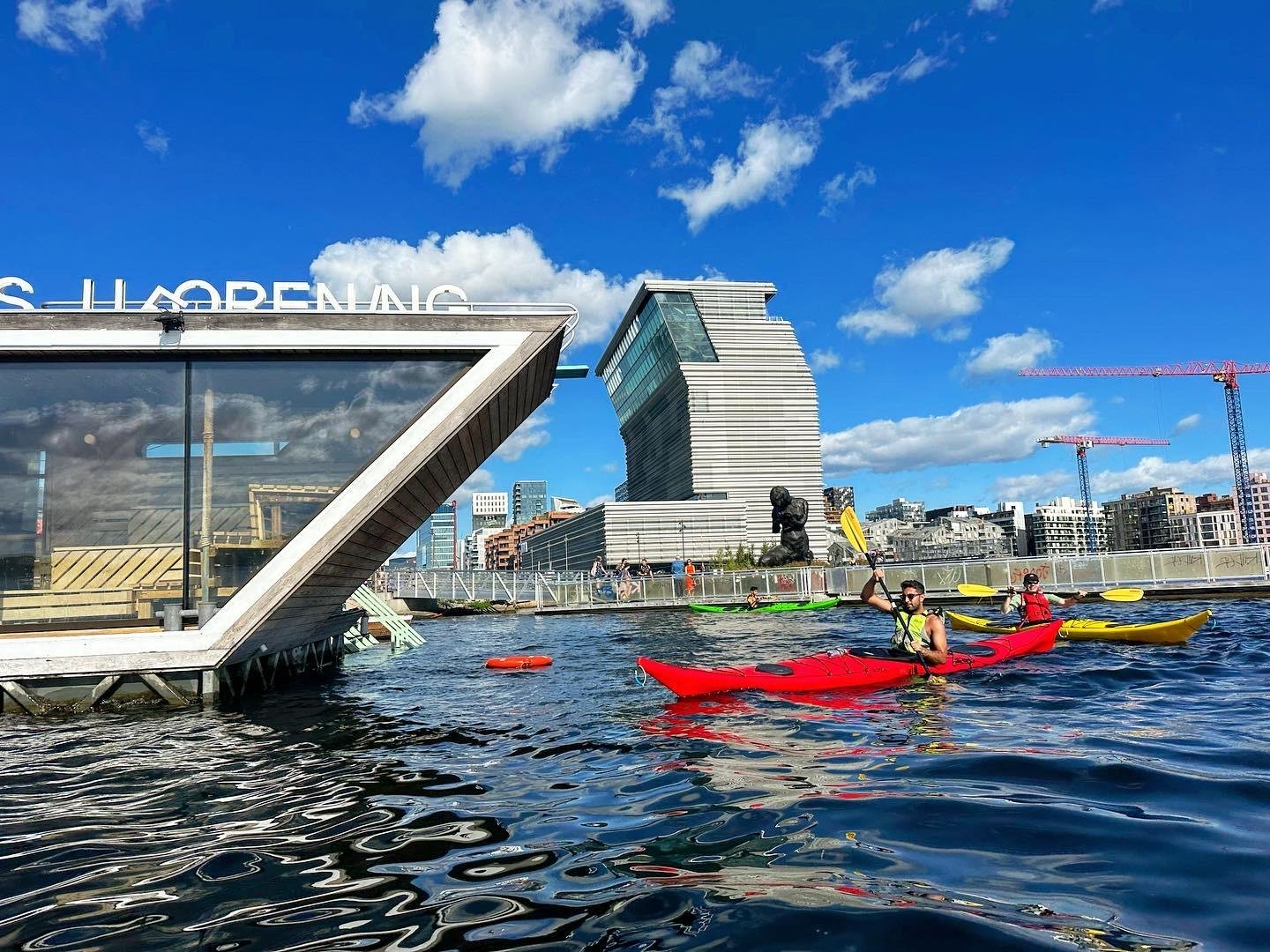
Paddle past the Opera House and historic fortresses on a guided 2-hour kayaking adventure through Oslo's waterfront.
2.25 to 3.5 hours
Free Cancellation
Experience Norway's capital through the eyes of an independent guide on this intimate exploration
2 hours
Free Cancellation
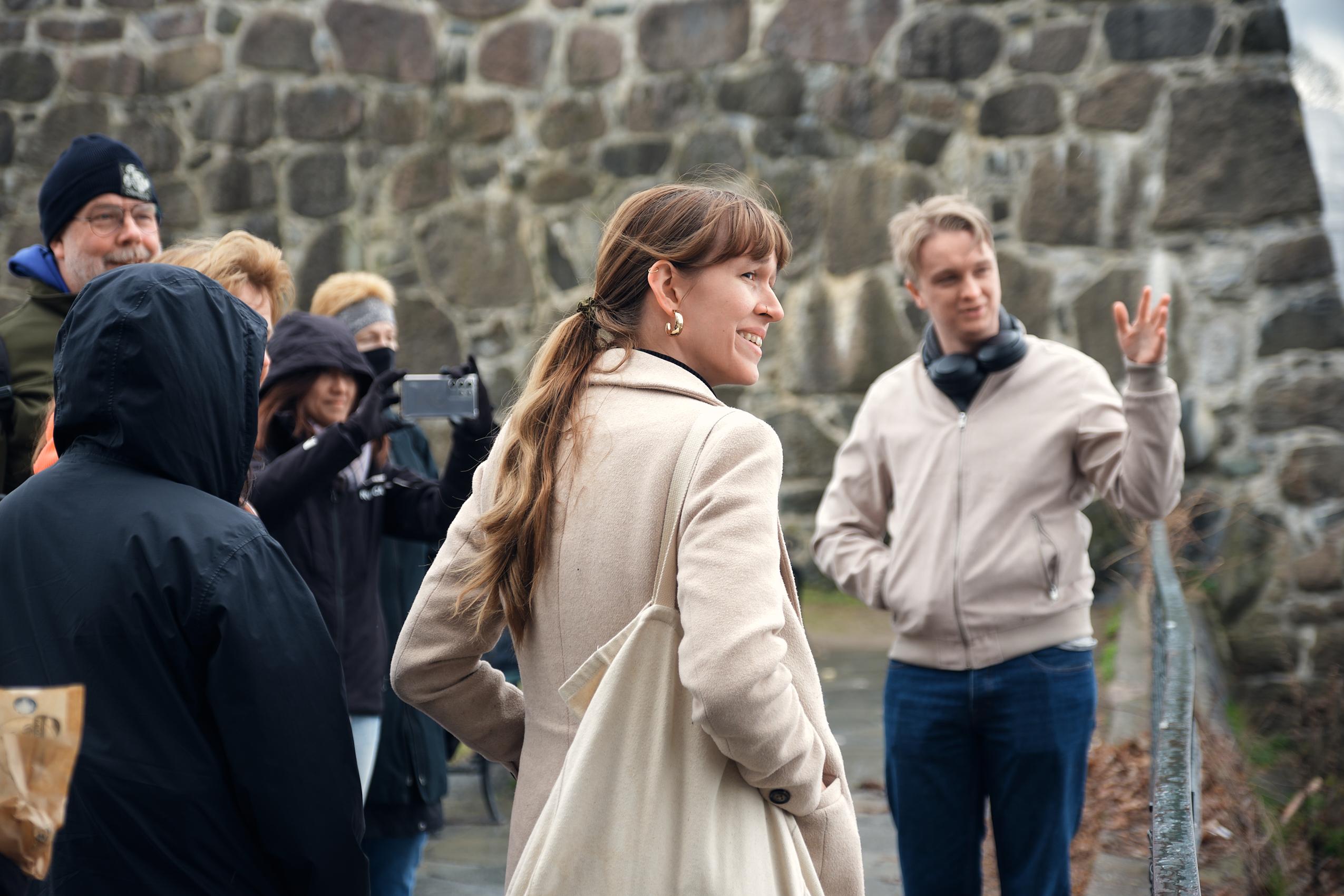
Explore Norway's capital on foot with a guide, from parliament to opera house and historic quarters
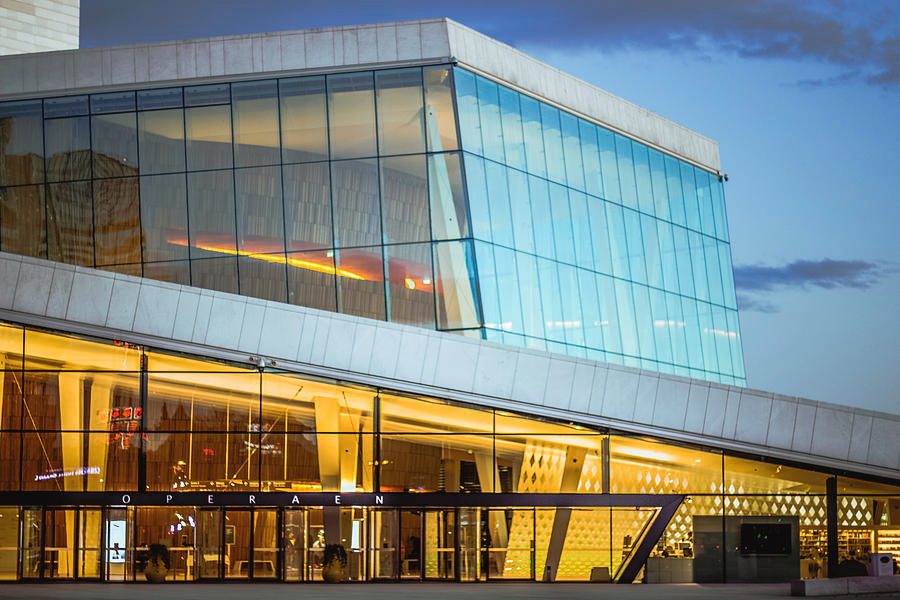
Approach via Kirsten Flagstads plass and view the glass and marble facade
Climb the sloping marble roof for fjord and city views
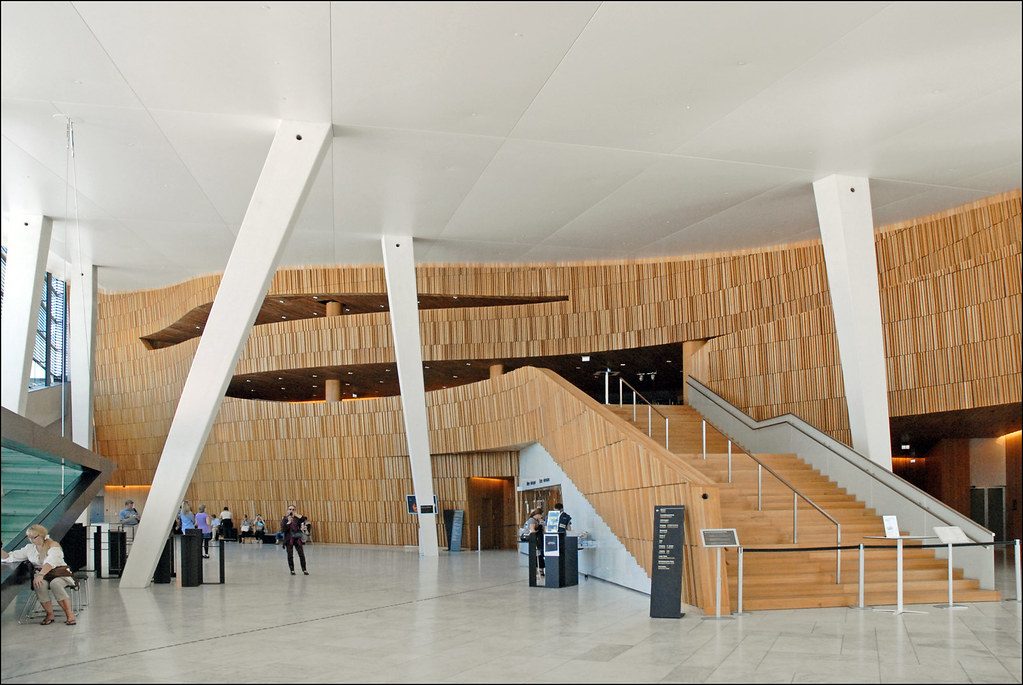
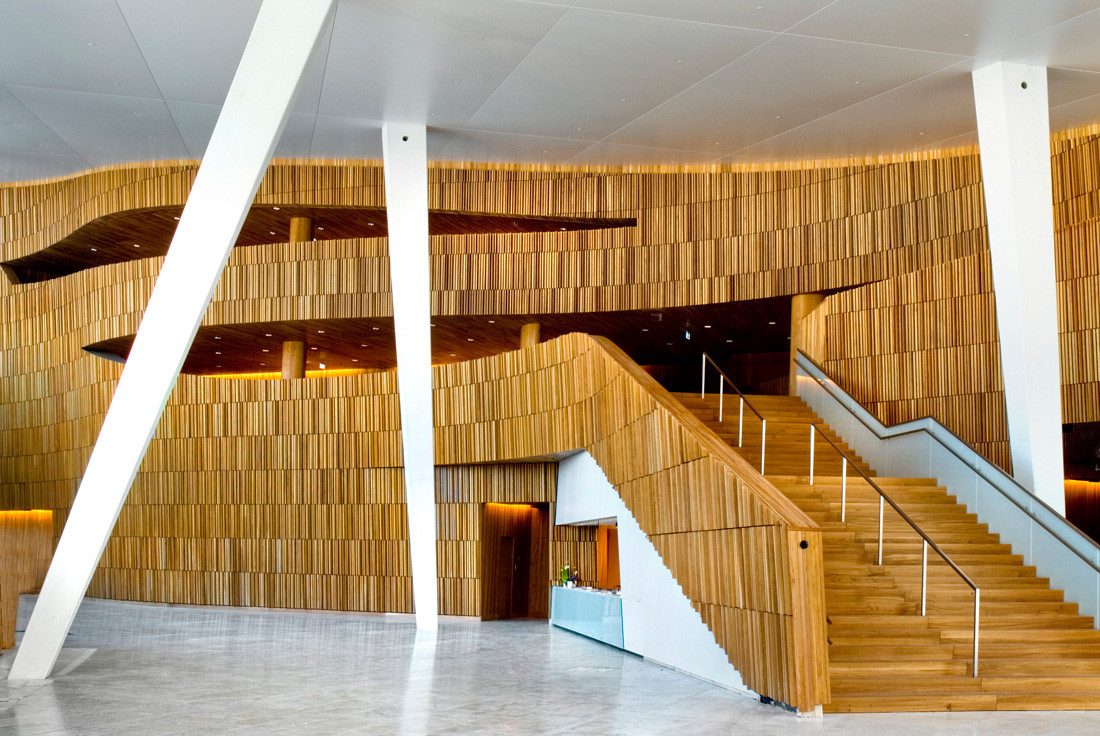
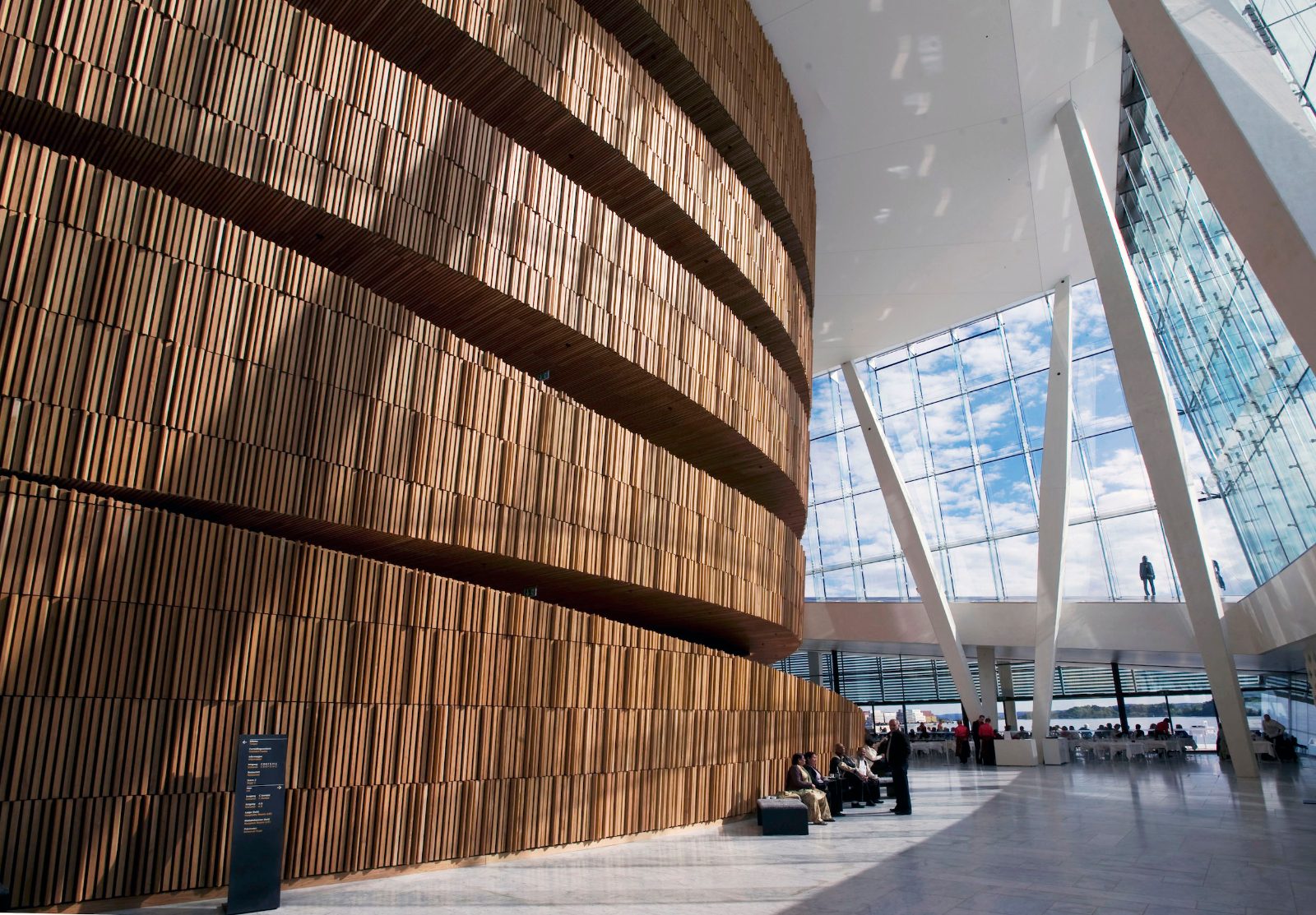
Wander the birch-wood interior and main staircase inside the free public foyer
Review current performances and box office ticket options
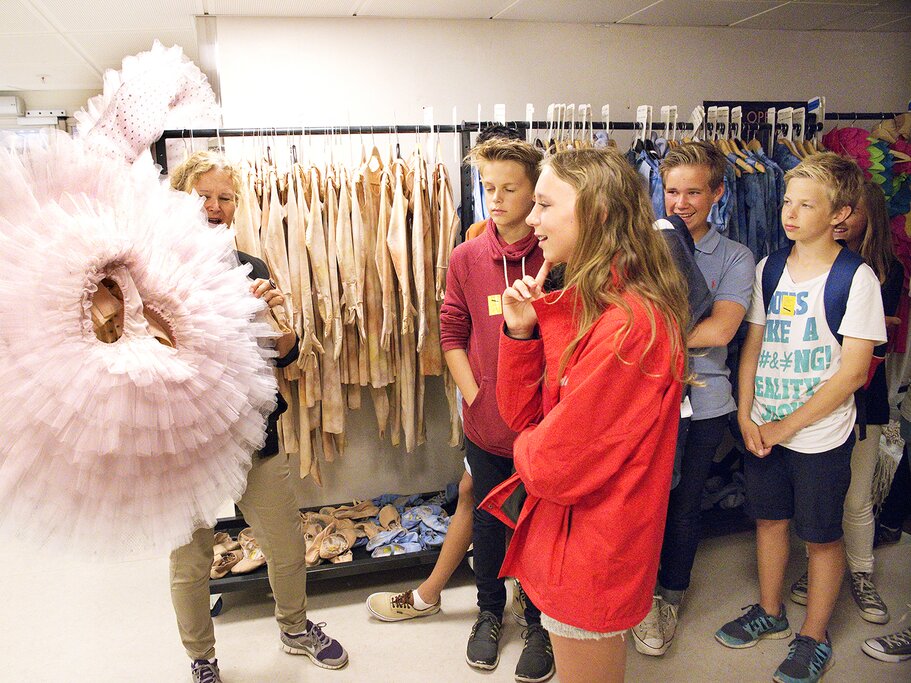
Join a backstage tour covering stage machinery and rehearsal spaces
Attend an opera or ballet performance in the main auditorium
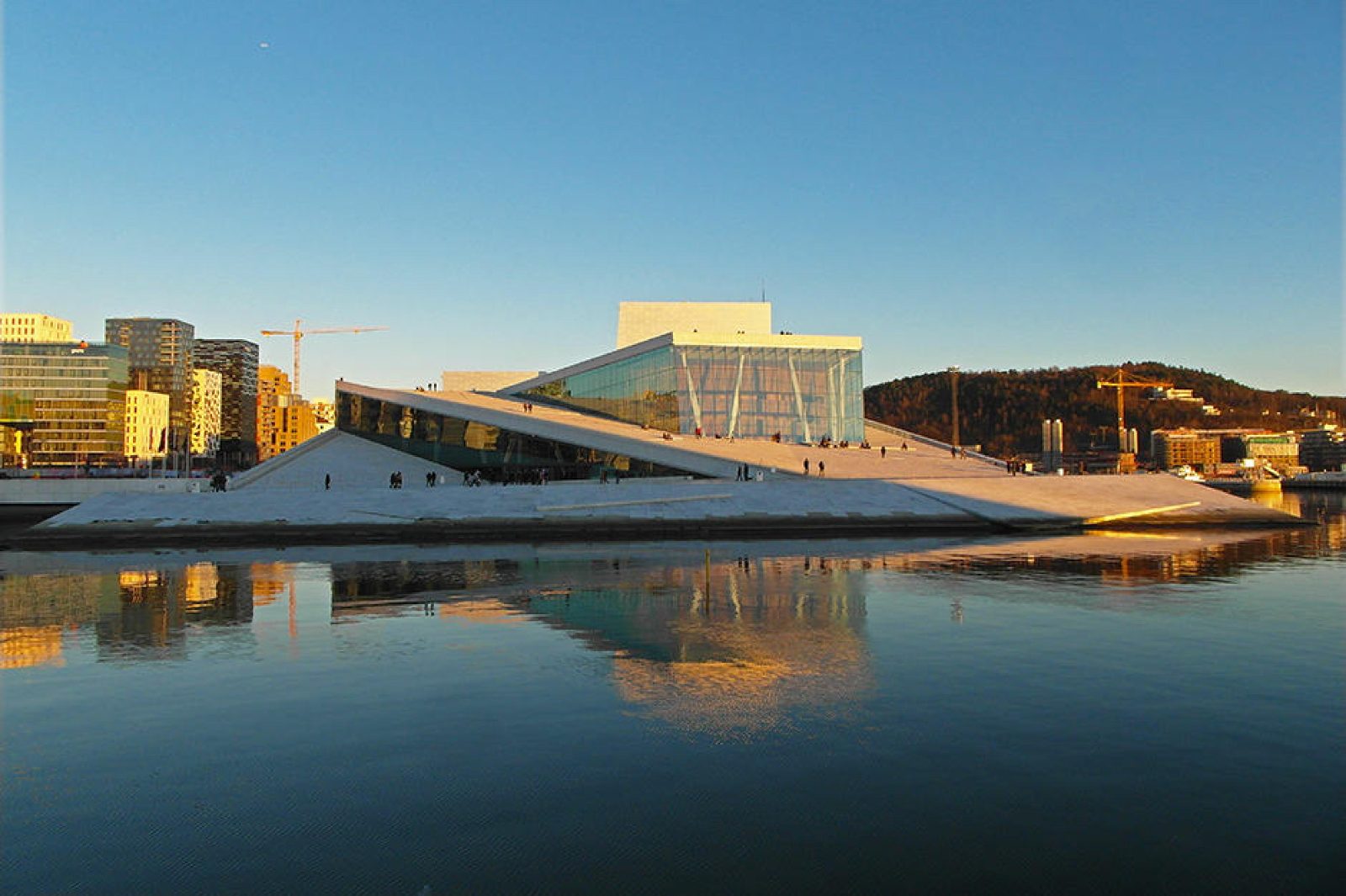
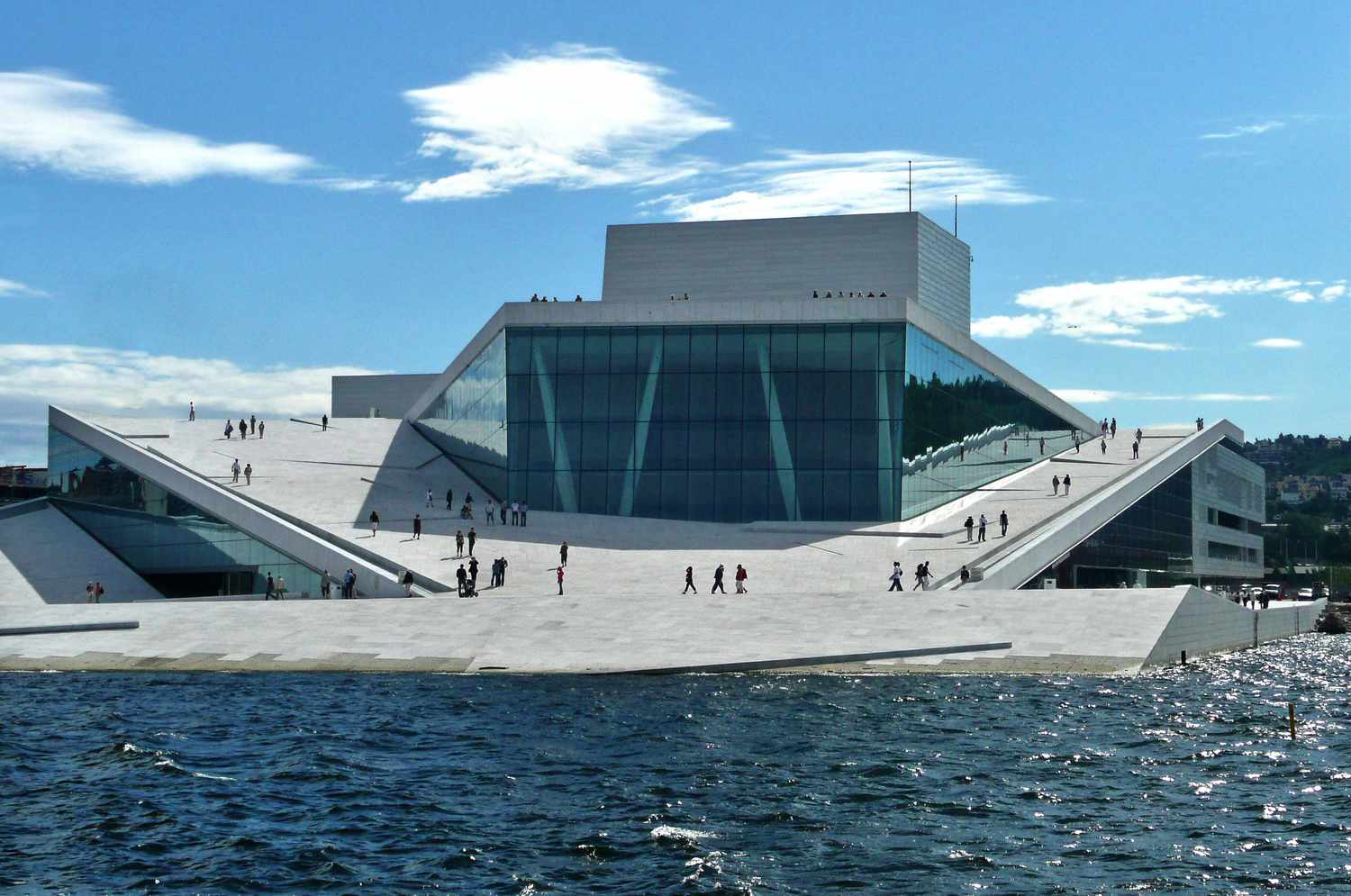
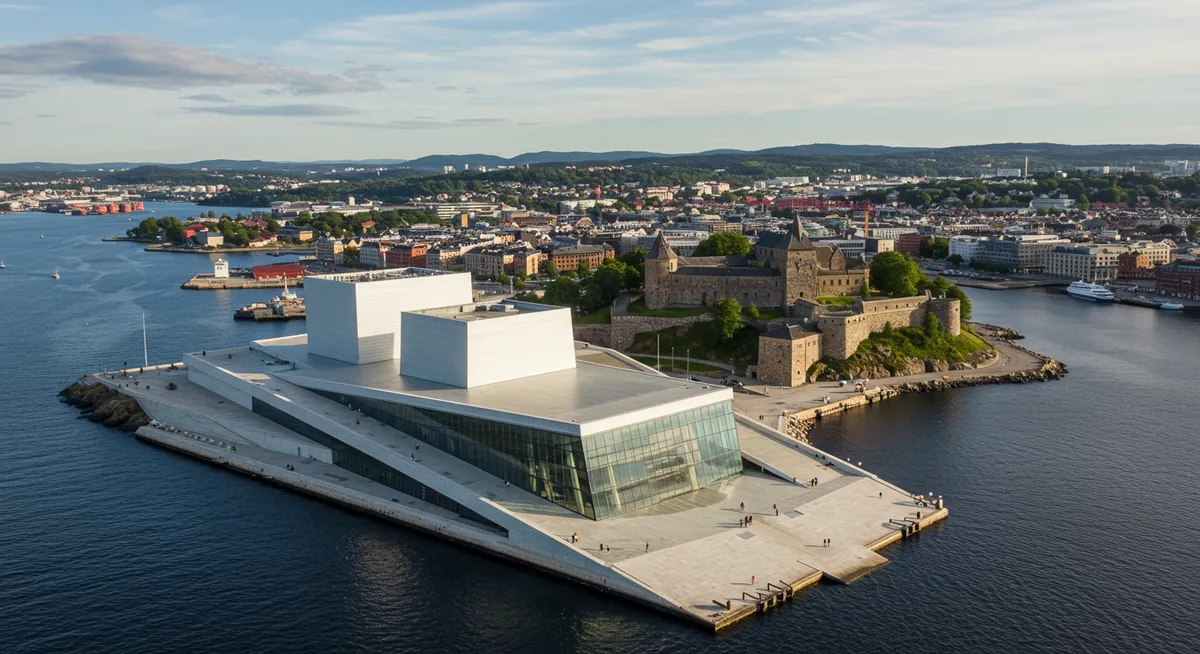
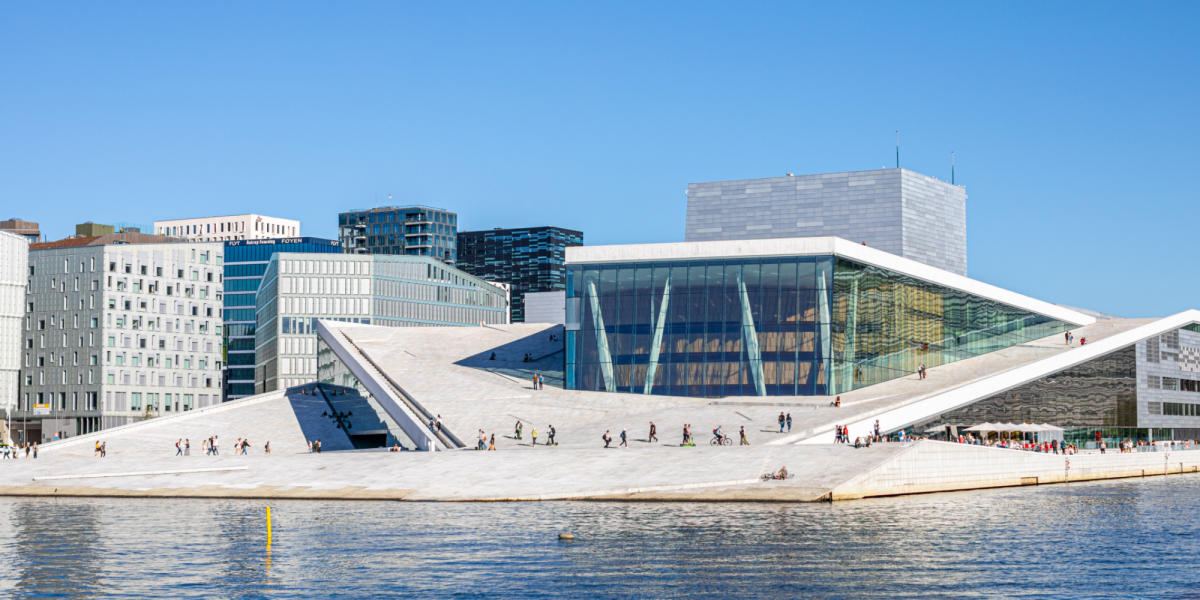
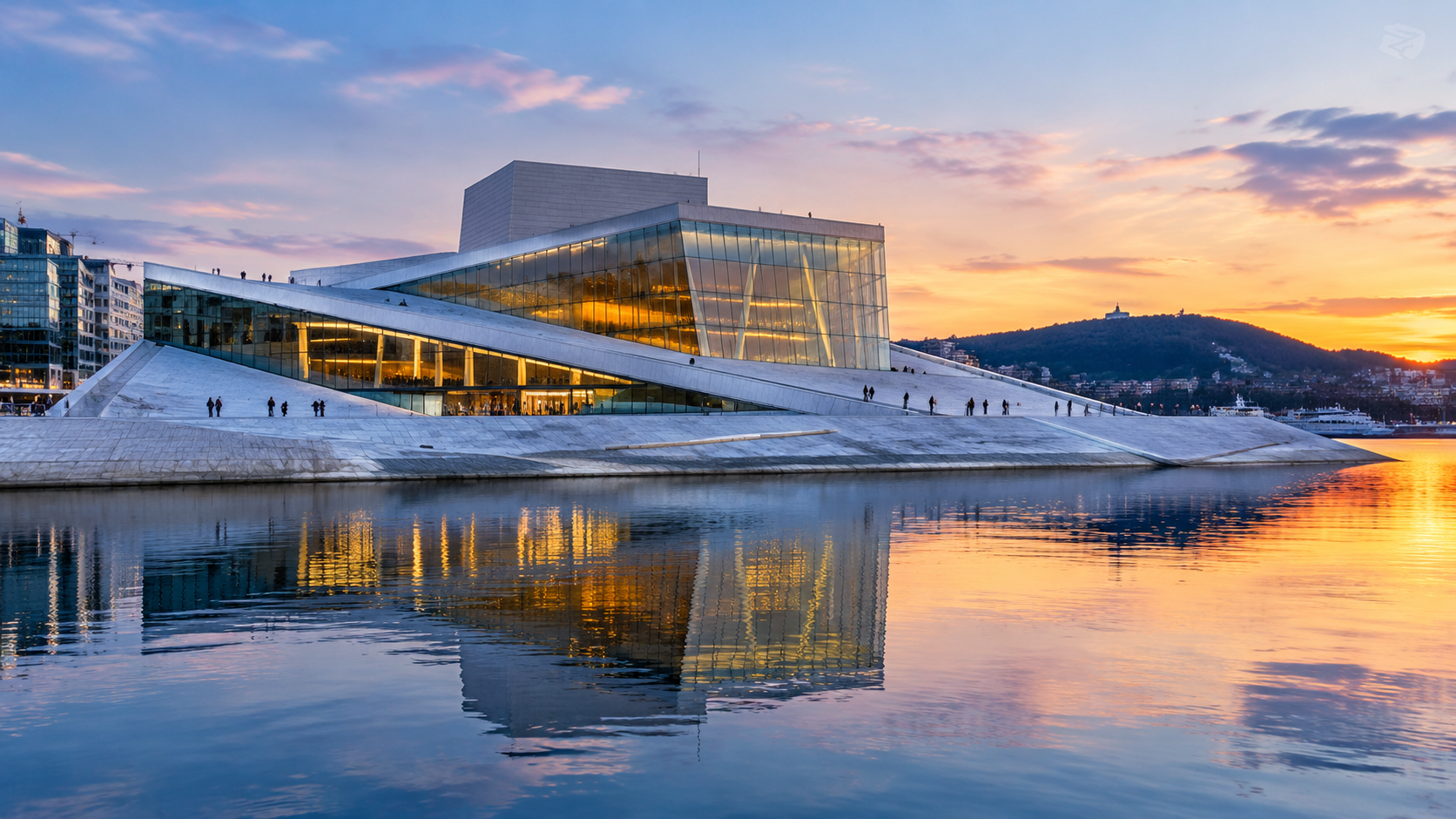
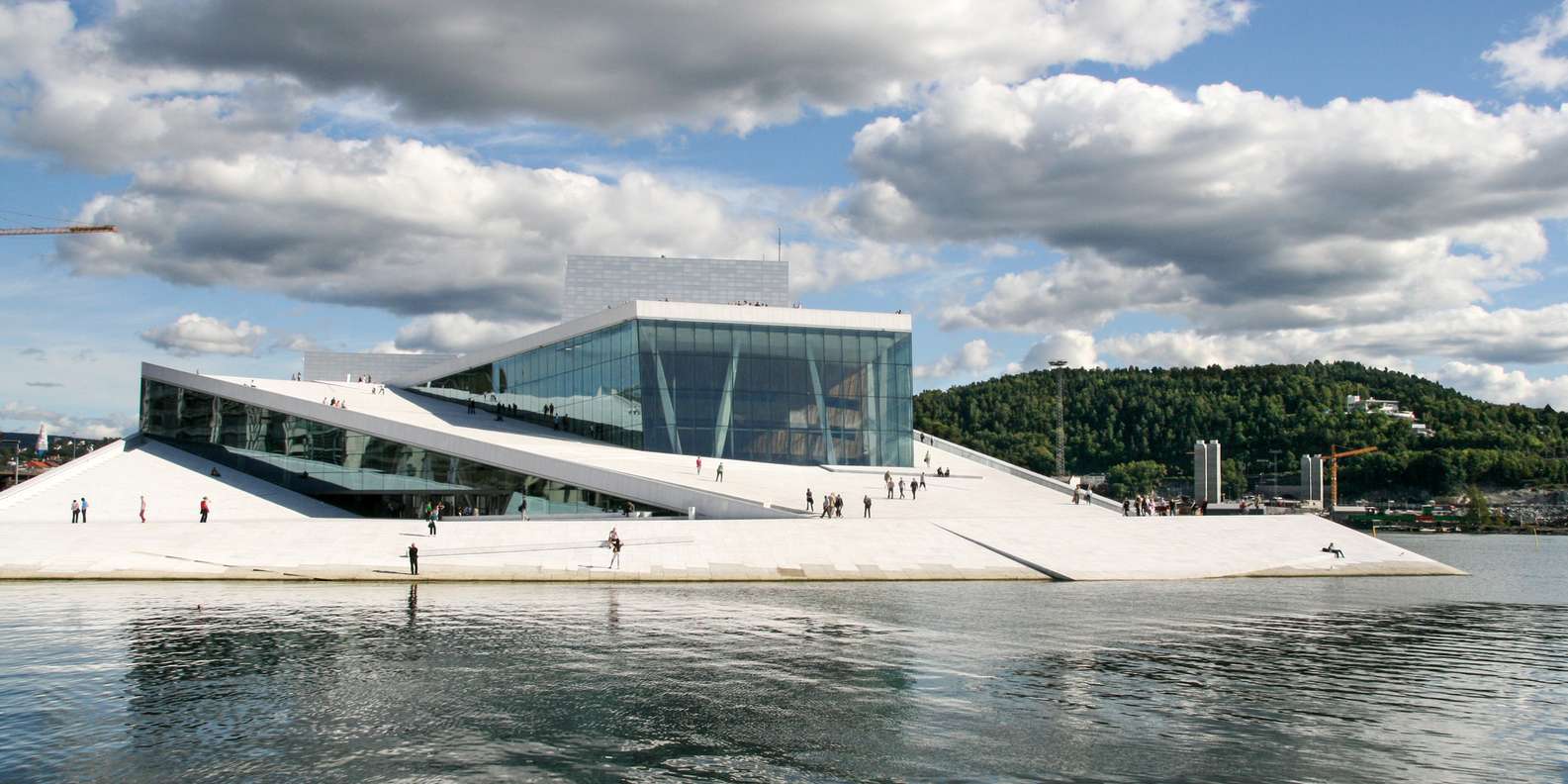
A sloping white marble and granite roof rises directly from the plaza, allowing visitors to walk up and over the building to fjord-level views. The stone cladding is made from roughly 36,000 individual slabs sourced largely from Carrara, Italy.
The birch-wood clad foyer features a sweeping open staircase connecting multiple levels beneath a wall of glass facing the harbor. Over 5,800 square meters of oak and other wood paneling line the interior public spaces.
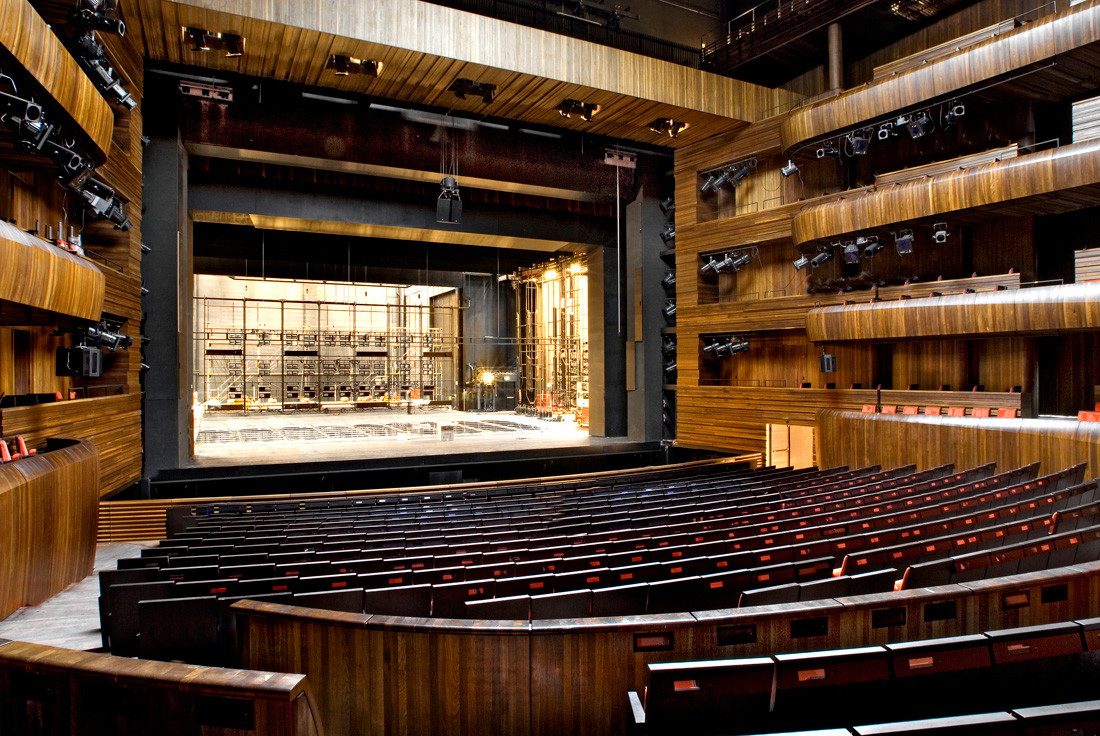
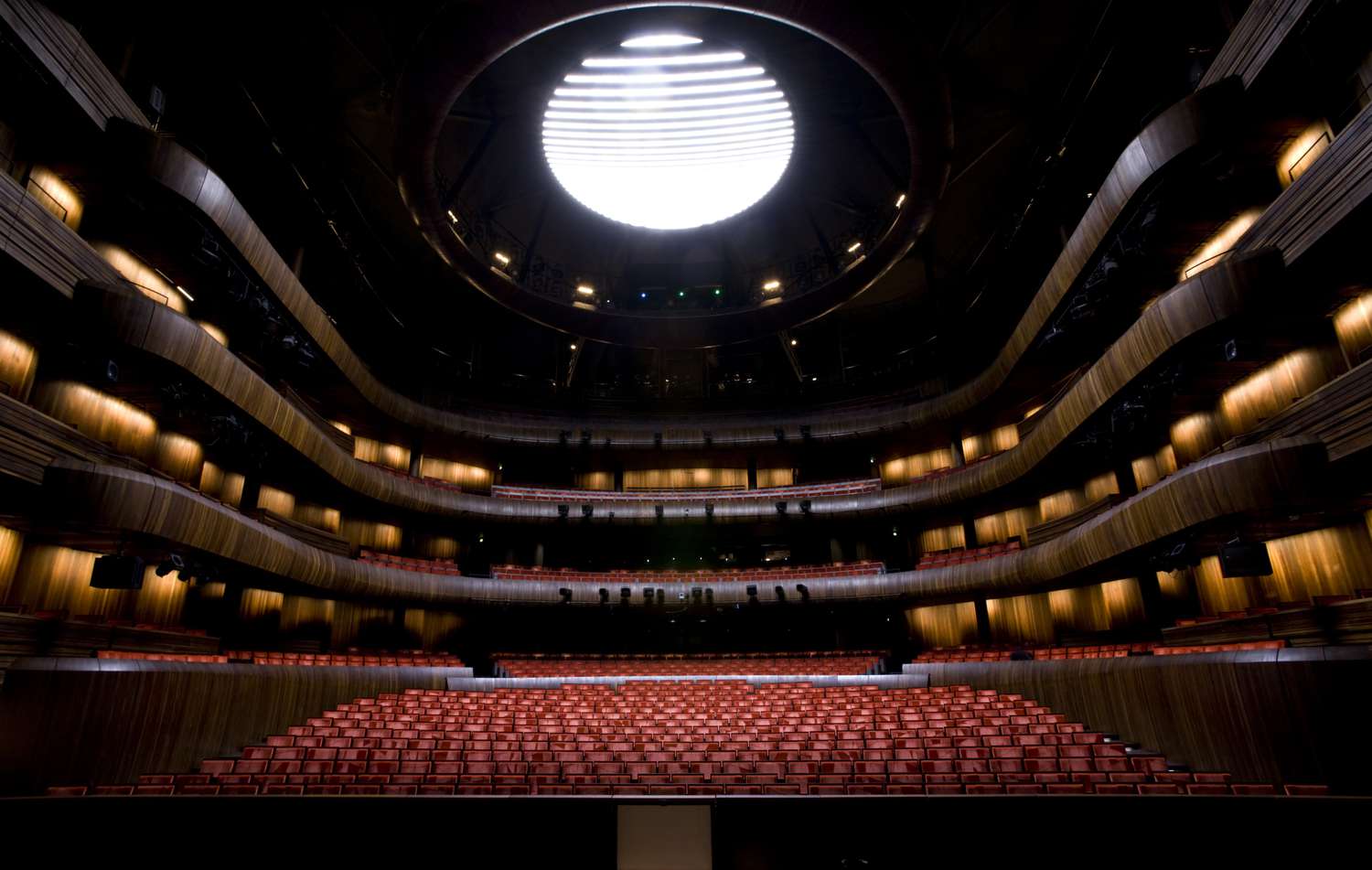
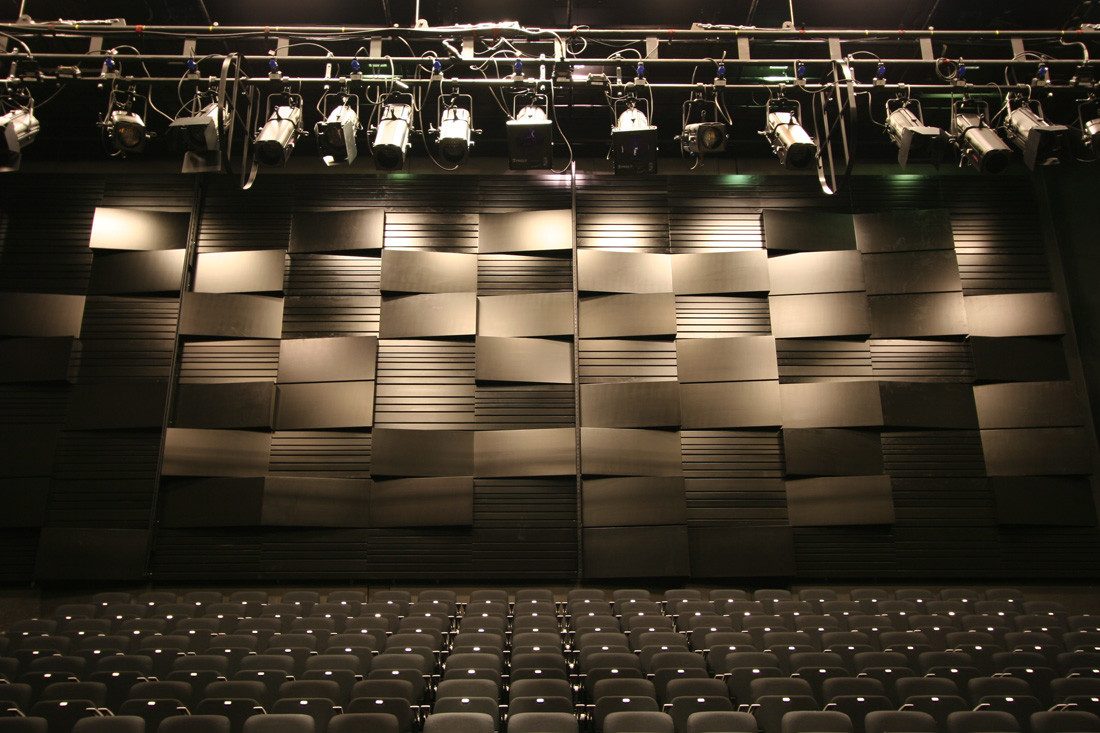
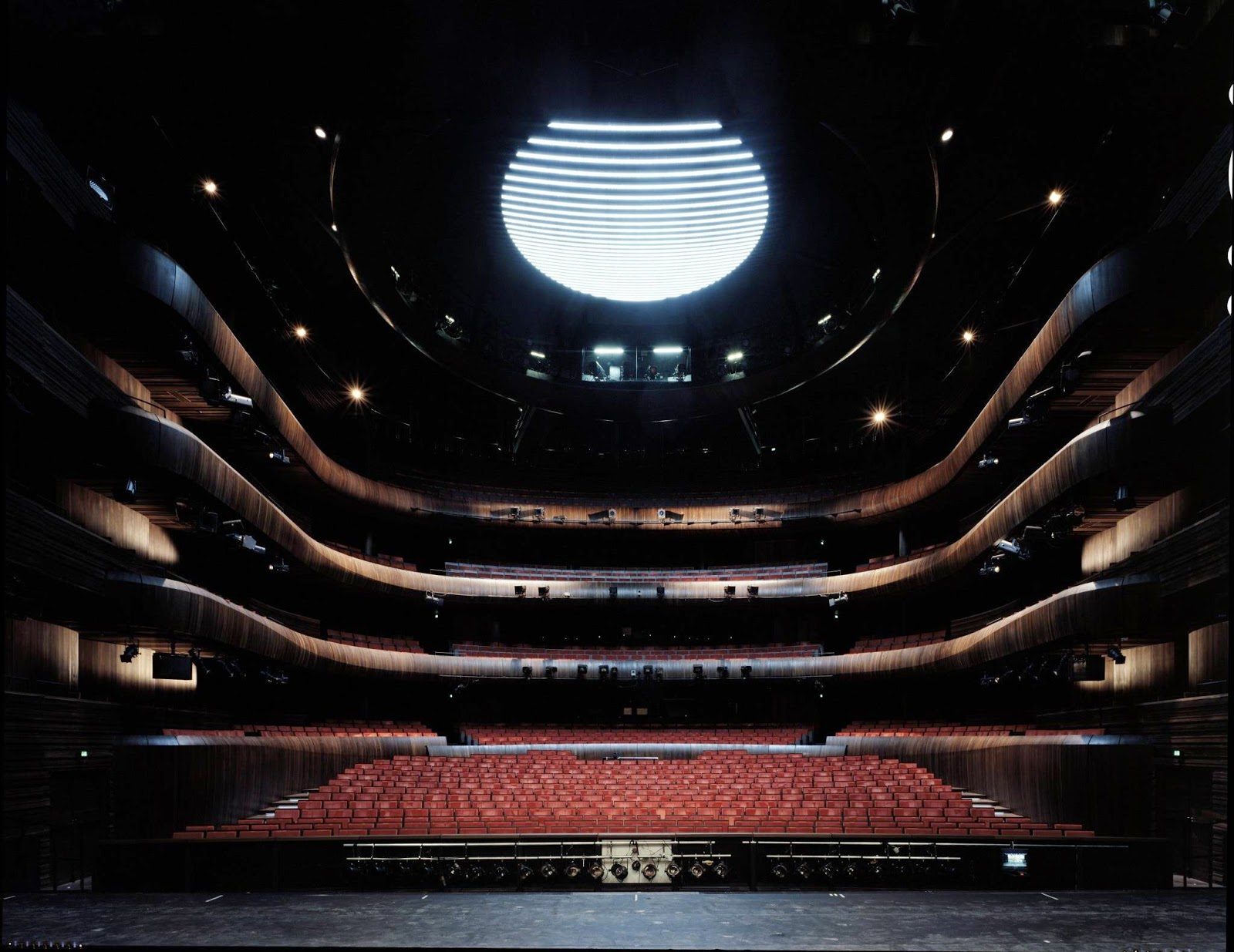
The horseshoe-shaped main hall seats around 1,364 people and is finished largely in oak, giving it distinct acoustics for opera and ballet. Its shape echoes traditional European opera houses while using contemporary materials.
A smaller, more flexible performance space is used for contemporary dance, chamber opera, and experimental productions. It contrasts with the grandeur of the main hall by offering a more intimate seating arrangement.
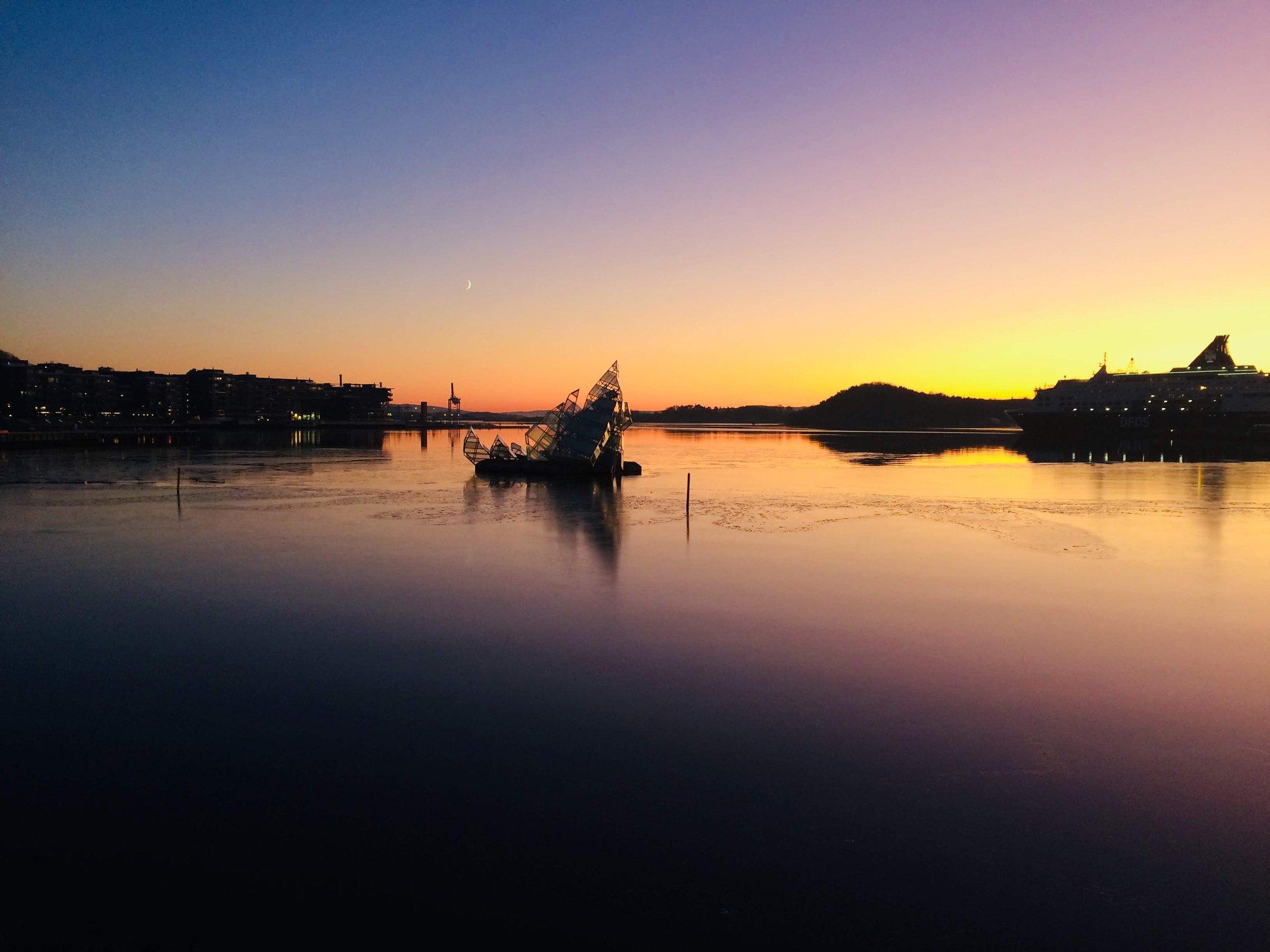
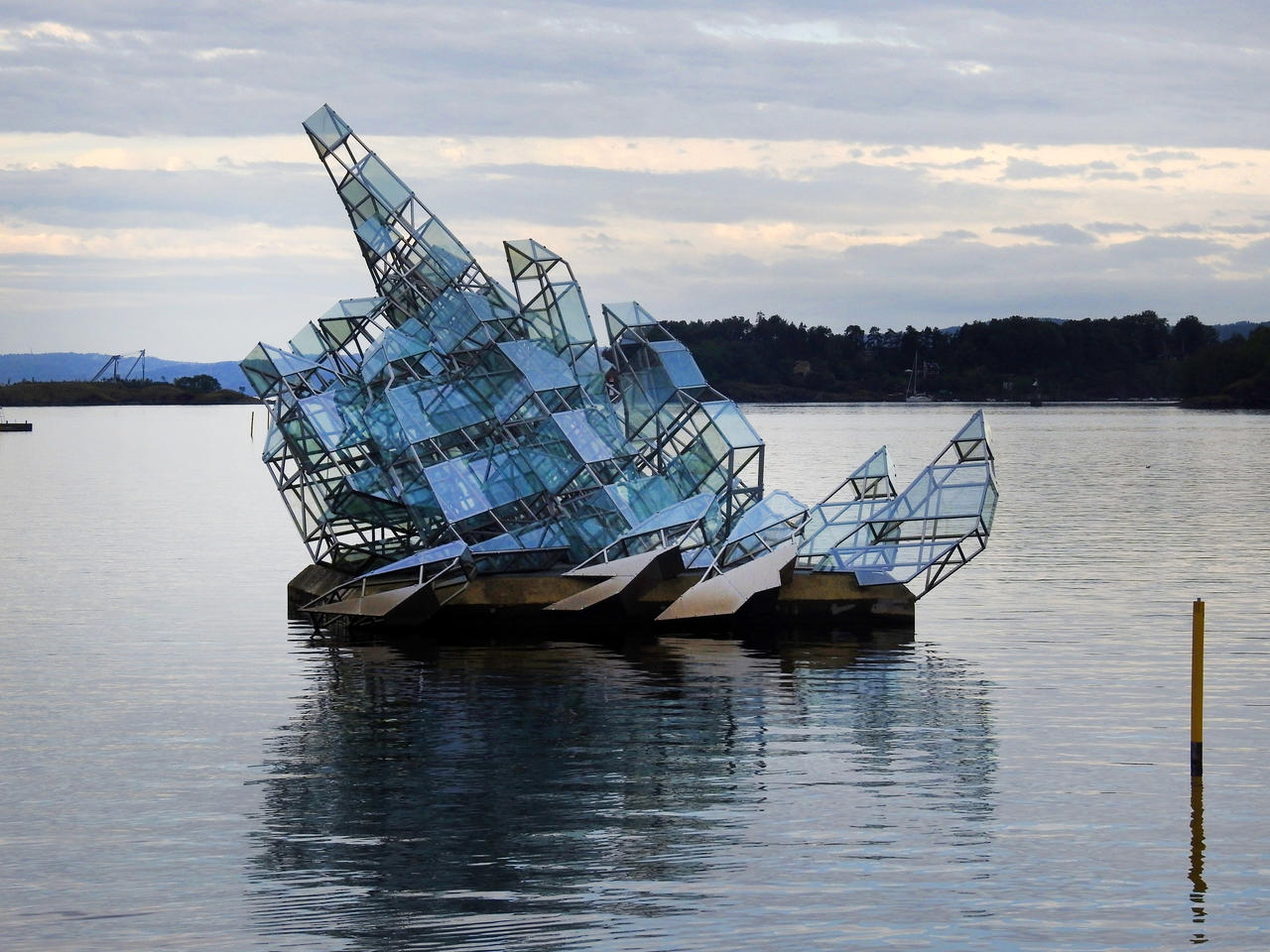
A floating stainless steel and glass artwork by Monica Bonvicini sits on a platform in the fjord just outside the opera house, rotating slowly with the tide and wind. Its angular panels reference a fragment of Caspar David Friedrich's painting Sea of Ice.
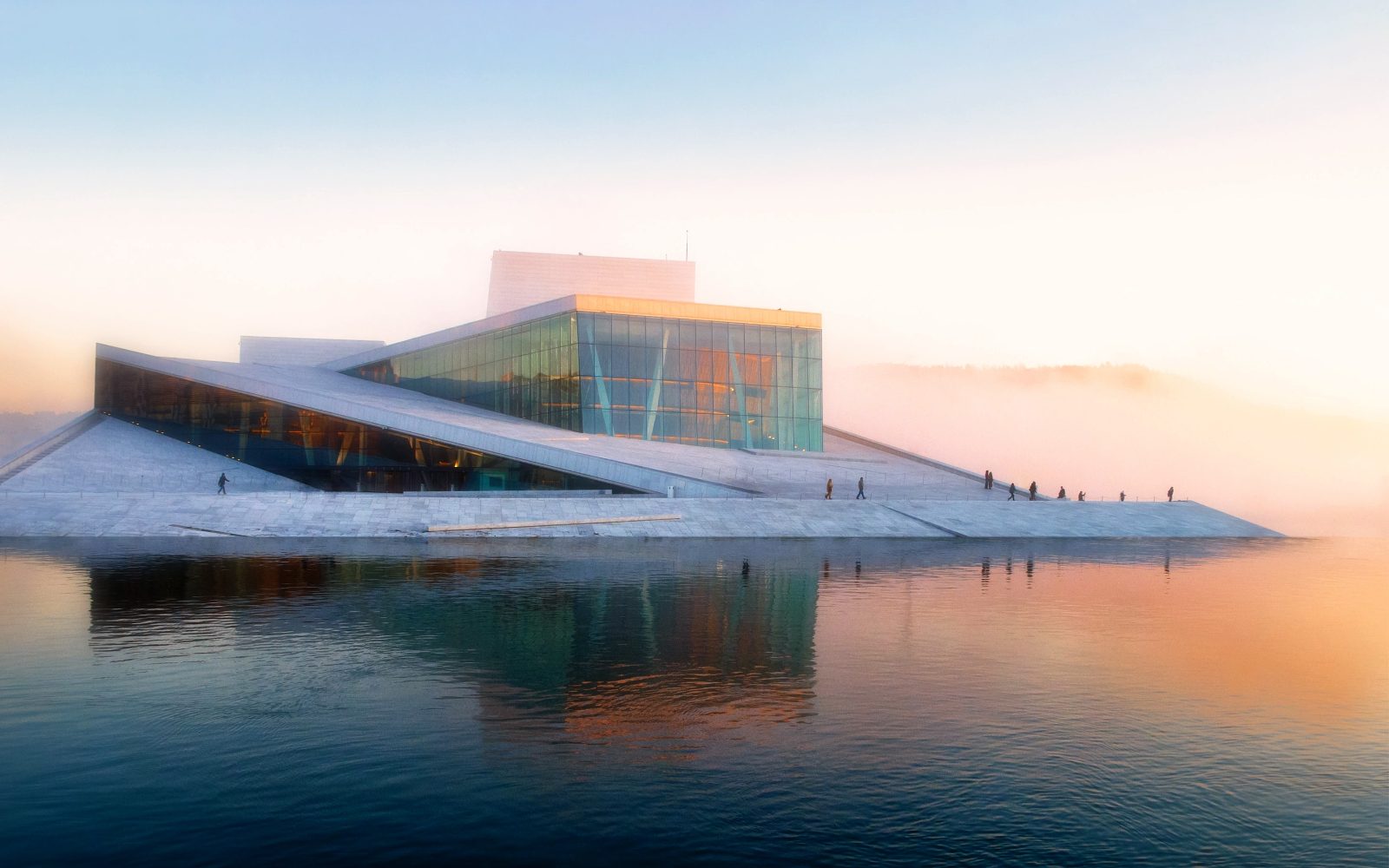
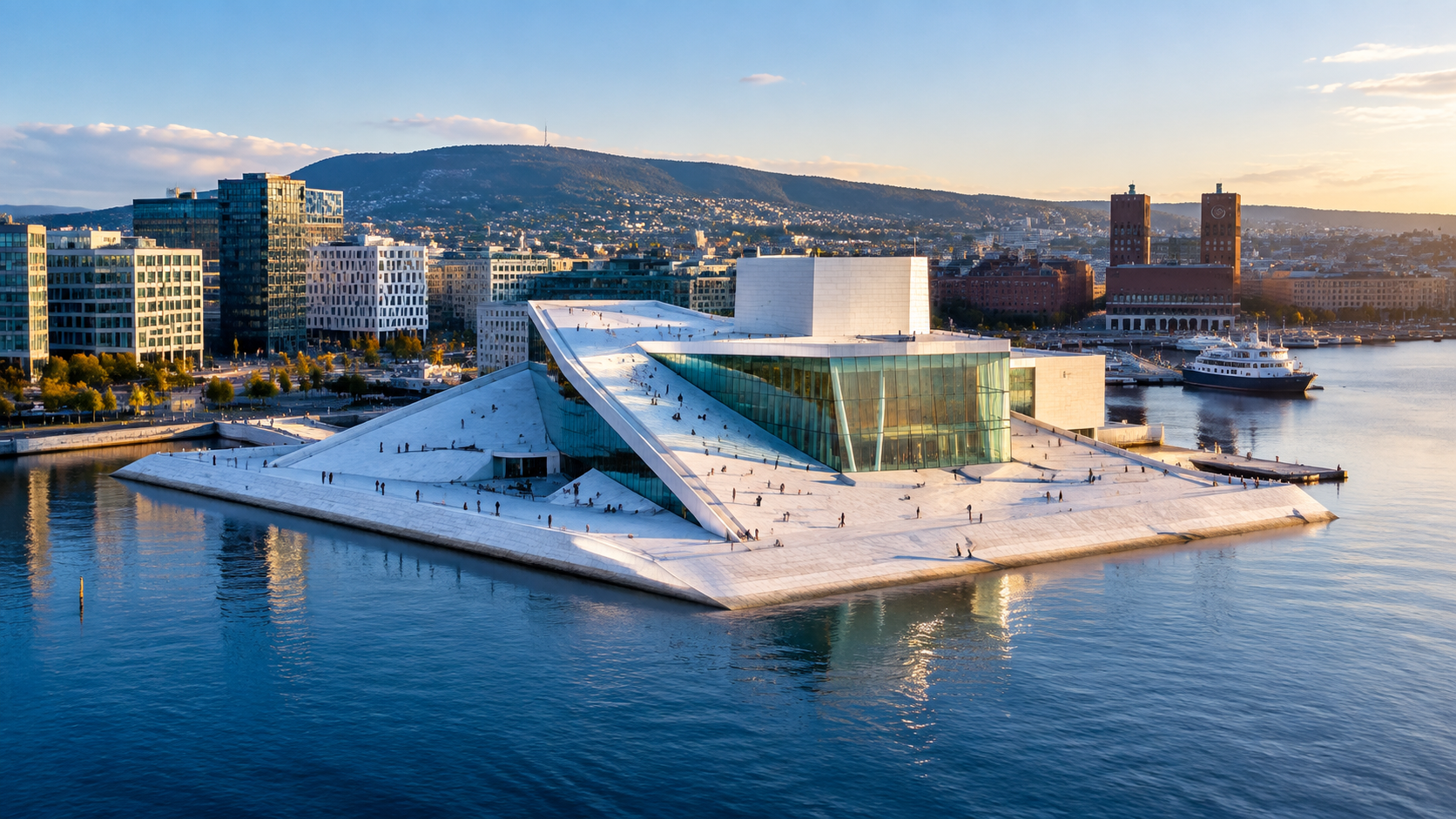
The building's glass and marble exterior meets the Oslo Fjord directly, with the design intended to evoke a glacier calving into water. Its footprint covers roughly 38,500 square meters, making it one of the largest cultural buildings in Norway.
You arrive at Kirsten Flagstads plass and see the white marble incline rising from the harbour. The slope is broad and textured, each slab of Carrara cut with shallow channels that prevent slipping even in winter ice.
You begin the ascent, passing clusters of visitors pausing to frame the Barcode district across the water. The climb is gradual, 14 metres spread across 100 paces, and at the crest you stand level with the building's angular glass walls.
Inside the foyer, light filters through floor-to-ceiling windows that overlook the fjord. The space is open, with oak surfaces and a terrazzo floor embedded with fossils from the local limestone. You join a guided tour and descend a service staircase to the backstage corridor. The guide explains the hydraulic stage, which can be lowered five metres below the auditorium to create an orchestra pit or raised to extend the platform. You pass racks of period costumes — silk bodices, leather boots, velvet cloaks — and enter the main hall from the wings. The horseshoe of seating curves around the stage, and above, the constellation of 5,800 glass lenses catches the afternoon sun. You return to the roof and walk the perimeter, watching ferries cross the harbour as the wind off the water meets the stone underfoot.
All the details about your upcoming adventure in one place
The Oslo Opera House stands as a striking example of contemporary Scandinavian architecture on the Oslo waterfront, where visitors walk on its sloped white marble roof for panoramic fjord views. Oslo opera house tickets provide access to guided tours exploring the main auditorium, foyer spaces, and rooftop terraces designed by Snøhetta architects. Both oslo opera house tickets tours and self-guided visits include opportunities to photograph the building's distinctive angular design and witness the Norwegian National Opera & Ballet's home venue.
When Den Norske Opera & Ballett opened its purpose-built home in 2008, it became the first opera house in the world designed to be climbed.
The building's sloping white Carrara marble roof rises directly from the waterfront at Bjørvika, inviting visitors to walk from sea level to the ridgeline 14 metres above the harbour — no ticket required. Designed by the Norwegian firm Snøhetta, the structure won the European Union Prize for Contemporary Architecture in 2009 and transformed Oslo's relationship with its eastern shoreline, anchoring a district once dominated by container terminals.
The main auditorium seats 1,364 across a horseshoe plan clad in oak harvested from sustainably managed Norwegian forests. Sixteen thousand individual panels of pale wood line the walls, perforated with 5.5 million laser-cut apertures that shape the hall's acoustics without deadening the space. The ceiling holds a constellation of 5,800 handblown glass lenses, each unique, designed by the artist Jorunn Sannes to diffuse light across the raked seating. Below the public foyer, three floors of workshops house the opera's scenic studios, costume ateliers, and rehearsal rooms, where sets for productions ranging from Wagner to contemporary Norwegian commissions are built in-house.
Oslo Opera House tickets cover a spectrum of access, from free self-guided exploration of the foyer and roof to reserved seating for full-scale productions and backstage tours led by theatre staff. The building stages approximately 300 performances each season, including opera, ballet, and chamber concerts, with repertoire drawn from the canon — Verdi, Tchaikovsky, Mozart — and new works commissioned from Nordic composers. The roof itself has become a year-round public plaza, hosting more than 1.5 million visitors annually who ascend the inclined marble surface to photograph the Oslofjord, the Barcode towers, and the reclaimed waterfront.
For those seeking opera house tickets in Oslo beyond the lobby experience, guided tours provide access to the stage, the orchestra pit, and the backstage corridors where costumes and props are stored between performances. Oslo opera house tour tickets include 45-minute sessions led by staff who explain the building's environmental systems, its ice-water cooling loop drawn from the fjord, and the mechanics of the stage's hydraulic lifts. Performance reservations span genres: oslo opera house ballet tickets grant entry to works by Balanchine and Ekman, while oslo opera house program 2026 tickets list upcoming premieres and revivals scheduled through the autumn and winter calendar.

The building stages approximately 300 performances each season, with repertoire drawn from the canon and new works commissioned from Nordic composers.
Casual clothing is fine for visiting the foyer and roof terrace of Oslo Opera House. For evening performances in the main hall, many guests dress smart-casual to formal, though there is no enforced dress code at the door.
Bags are subject to visual or light security checks at entrances, especially before ticketed performances. Large suitcases and oversized backpacks are discouraged since there is no dedicated cloakroom for big luggage, only a small coat check near the auditorium.
Photography without flash is permitted in the public foyer and on the white marble roof. Recording is not allowed inside the auditorium once a performance has started, out of respect for the performers and other guests.
Children are welcome in the foyer and on the sloping roof terrace, which is a popular spot for families to walk up and look over the Oslo Fjord. Some performances have age recommendations, so it is worth checking the specific production before booking for younger children.
Oslo Opera House has step-free entrances, elevators to all public levels, and wheelchair-accessible seating in the main auditorium reserved through the box office. Accessible toilets are available on multiple floors, and staff can assist with drop-off logistics near the main entrance on Kirsten Flagstads plass.
Outside food and drink are not permitted inside the auditorium during performances. Visitors may carry sealed water bottles in the public foyer, but eating is limited to designated cafe and bar areas rather than general circulation spaces.
Evening performances often held
Busiest foyer traffic of the week
Later opening than weekdays
Foyer hours
Mon–Sat 11:00–16:00, Sun 12:00–16:00
Address
Kirsten Flagstads plass 1, 0150 Oslo, Norway
Step-free access
Level entry and lifts to all public floors
Roof terrace
Open-air marble roof, weather dependent
Storage
No dedicated lockers, small bags only in foyer
Waterfront setting
On the Bjørvika waterfront in central Oslo
Public transport · 10-15 min · Standard Ruter ticket, around 40-50 NOK
Take any train, tram line 12 or 13, or bus to Oslo Central Station (Oslo S), which sits directly adjacent to the opera house entrance. Journey time from most central Oslo stops is under 15 minutes.
Walk · 10-20 min · Free
From Oslo Central Station or Karl Johans gate, it is a flat, level walk through Bjørvika to Kirsten Flagstads plass.
Car · 5-10 min from city center · Parking typically 30-50 NOK per hour
Street parking near Bjørvika is limited, but the Oslo S area has several public parking garages within a few minutes' walk.
Taxi · 5-15 min from most city hotels · Metered fare, roughly 100-200 NOK
Taxis and ride-hail services drop off directly on Kirsten Flagstads plass in front of the main entrance.
Entry to the foyer and rooftop is free at 0 NOK, so no reservation or cancellation applies to general access. Performance and guided tour tickets follow the Oslo Opera House box office refund and exchange rules, which vary by production and are stated at the time of booking.
Recommended time
1-2 hours
A relaxed loop of the white marble foyer and the sweeping roof takes about 45 minutes, while lingering over Oslo fjord views from the top and browsing the ground floor stretches that to a full 1-2 hours. Add extra time if you plan to combine oslo opera house tickets for a performance with a pre-show wander, since the auditorium areas are separate from the free public zones. Arriving well before 16:00 keeps the roof and foyer comfortable, as queue reality at the entrance is minimal outside cruise-ship days but staff begin closing off sections near the last hour. Those chasing a broader oslo landmarks tour often pair the building with a short walk along the harbor promenade beforehand.
Crowd levels through the day
Weather · crowds · average price — dots go green to amber to red as each metric rises.
March to May brings mild temperatures around 5-15°C and thinner crowds on the roof terrace than summer. The opera and ballet season is in full swing, offering a wide choice of performances.
June to August sees the longest daylight hours and the busiest foyer and roof terrace, especially when cruise ships dock nearby in Bjørvika. Warm evenings around 15-22°C make the rooftop walk especially popular after 16:00 closing.
September to November, including now, offers cooler air around 5-12°C and a return of the main performance season after the summer break. Foyer visits are noticeably quieter on weekday mornings.
December to February brings cold temperatures often below freezing and a striking contrast between the white marble roof and snow or dark fjord water. The Christmas period around Dec 24-25 has reduced hours, and evening performances feel especially atmospheric in the dark.
Oslo Opera House runs different opera and ballet productions through the autumn season, so confirm what is on stage before buying tickets. The official site lists the current program by date.
The sloping marble roof can be slippery when wet from rain or morning dew, which is common in the Oslo climate. Flat shoes with good traction make the climb more comfortable.
Wind off the fjord makes the open-air roof noticeably cooler than the enclosed foyer below. A light jacket is useful even on mild days.
When ships dock nearby in Bjørvika, the plaza and roof can fill with day-trip groups. Weekday mornings tend to be calmer for a foyer visit.
Guided tours covering the stage and rehearsal areas run on a limited schedule and can sell out. Reserving through the official site secures a spot on busier weeks.
The promenade along Bjørvika connects the opera house to Akershus Fortress and Aker Brygge on foot. It makes for an easy extension of a visit without needing transport.
Since entry to the public foyer costs 0 NOK, it works well as an indoor stop during Oslo's frequent rain showers. The birch-wood interior stays comfortable regardless of weather outside.
Kirsten Flagstads plass 1, 0150 Oslo, Norway
Glass doors facing the plaza, clearly marked box office signage
Get directionsKirsten Flagstads plass 1, 0150 Oslo, Norway
Stair and ramp access from the plaza side of the building
Get directionsThe Oslo Opera House emerged from a half-century debate over whether Norway's capital required a dedicated performance venue for opera and ballet. Parliament authorized construction in 2000, selecting a former container-port site in Bjørvika—then an industrial backwater severed from the city center by rail lines and warehouses. Snøhetta, a young Norwegian architecture firm, won the international competition in 2000 with a design that treated the building as a sculpted iceberg: white Italian marble and granite slabs angled upward from the fjord, allowing pedestrians to walk from sea level to the roof without entering the auditorium. Construction began in 2003 and employed over one thousand workers at peak, many of whom laid the sixteen thousand square meters of Carrara marble that clad the exterior. The main auditorium, finished in pale oak harvested from sustainable Norwegian forests, seats thirteen hundred and features a ceiling embedded with handmade glass panels. Snøhetta anchored the stage machinery in bedrock to isolate it from vibration caused by adjacent rail traffic. The building opened on April 12, 2008, with a gala attended by the Norwegian royal family and broadcast live across Scandinavia. Within a year, the sloped roof had become Oslo's most-visited public space, drawing over one million visitors annually who treated it as an extension of the waterfront promenade. Critics noted that securing oslo opera house tickets for performances remained difficult due to high demand, yet the building's foyer and roof remained free to the public, reinforcing its role as civic infrastructure rather than exclusive cultural fortress. The opera house catalyzed the redevelopment of Bjørvika: by 2012, the neighboring Barcode district had risen on former industrial plots, and the city rerouted the E18 highway into a tunnel to reconnect the waterfront to downtown. Snøhetta's design influenced a generation of cultural buildings that prioritized public access over monumental enclosure. Today, oslo opera house tickets tours allow visitors to explore backstage areas and rehearsal studios, while the building itself continues to function as Oslo's most democratic public square.
Norwegian Parliament approves funding for a national opera house in Oslo.
Snøhetta wins the international architectural competition with a design emphasizing public roof access.
Construction proceeds on a former container-port site in Bjørvika, employing over one thousand workers.
The Oslo Opera House opens with a televised gala attended by Norway's royal family.
The Barcode district rises adjacent to the opera house, completing Bjørvika's transformation from industrial zone to cultural quarter.
Walk up the white Carrara marble incline for a panoramic view of the Oslofjord and city skyline. Position yourself mid-slope to capture the geometric lines of the building against the water, noting that oslo opera house tickets are not required for this public roof access.
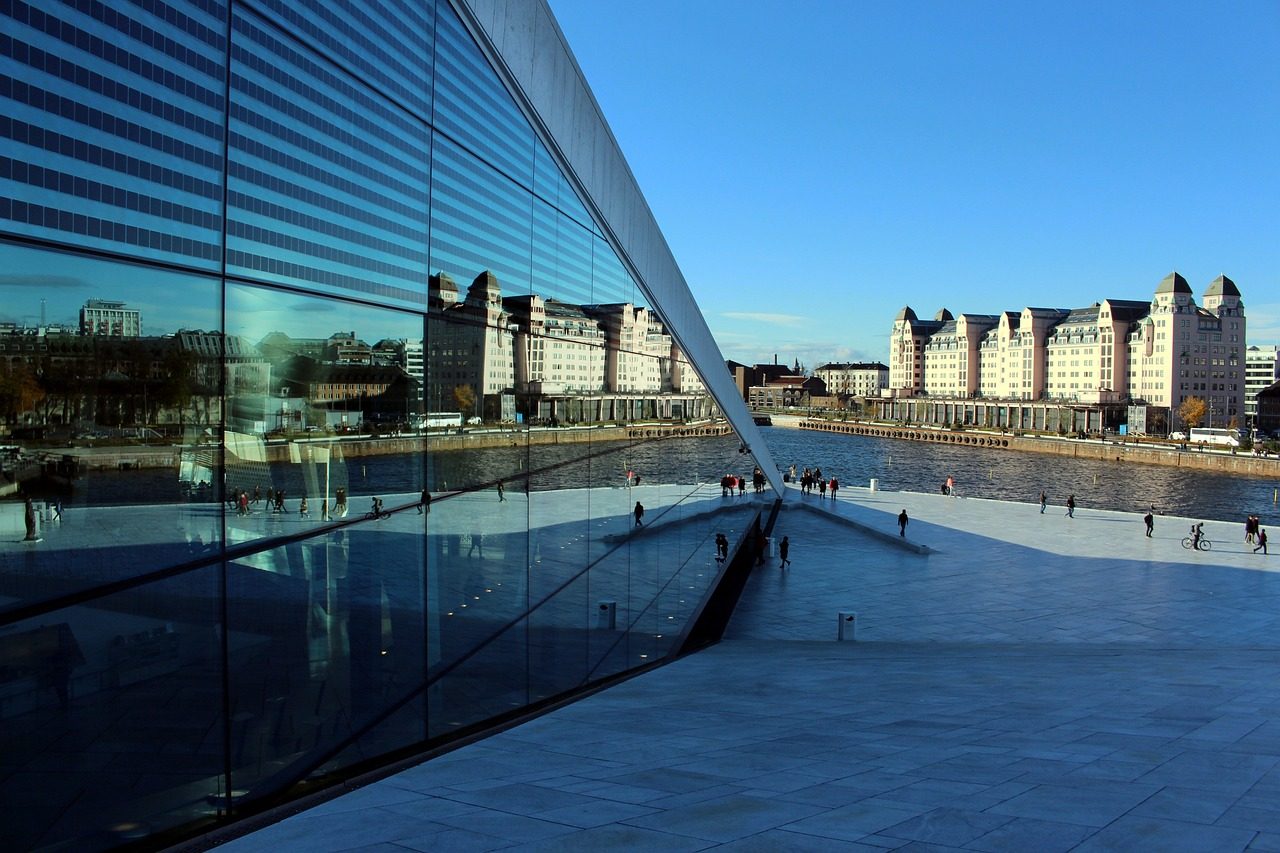
Capture the contrast between the sharp, angled architecture and the expansive glass wall from the interior hall. This spot is accessible when you inquire about oslo opera house tickets tours to explore the inner lobby space.
View the angular, ship-like structure rising directly from the water by standing on the walkway near the harbor. This perspective highlights the unique design of the Oslo landmarks and is accessible even when you do not hold oslo opera house tickets tickets for a performance.
Discover the quieter northern perspective that looks toward the Munch Museum and the surrounding urban development. This location offers a different angle for those seeking a oslo opera house tickets tour of the broader district architecture.
Anyone booking oslo opera house tickets will find a café inside the building itself, plus a short walk into Bjørvika opens up waterfront restaurants and casual eateries along the harbor promenade. There is no need to bring your own food unless you plan a picnic on the marble roof.
Located in the foyer, serving coffee, pastries, and light lunch fare; convenient for a quick stop before or after browsing the public areas, gets busy around midday.
A short walk along the waterfront, this food hall gathers stalls with varied cuisines in a relaxed harborside setting; good for groups wanting different options under one roof.
Sits near the harbor promenade with Nordic-leaning dishes and a view toward the fjord; suited to a sit-down meal rather than a rushed visit.
A cluster of cafés and restaurants slightly further into Bjørvika, useful if the immediate opera house tickets tour crowd has filled nearby spots.
Real experiences from real travelers
Booking oslo opera house tickets gave us access to the rooftop plaza where we walked up the marble slopes at sunset. The views across the fjord are spectacular. Inside, the oak-paneled auditorium has incredible acoustics. We attended an evening ballet performance and the experience was flawless from entry to final curtain.
The angled white marble exterior is even more impressive in person. We climbed to the top of the roof on a clear summer evening. The 360-degree panorama of Oslo and the harbor is worth the visit alone. The modern Scandinavian design integrates beautifully with the waterfront.
Secured entry through advance booking and arrived mid-morning when crowds were lighter. The sloped roof invites you to walk right up and over the building. Interior spaces feature warm wood and natural light. We explored the public areas and watched locals enjoying the outdoor spaces as a gathering spot.
The Oslo opera house tickets tours included a guided walk through the backstage areas. Our guide explained the sustainable design choices and construction techniques. The building sits directly on the fjord with water lapping at its base. Performance venues inside are intimate despite the massive exterior scale.
This landmark brings together art, architecture and public space. We visited on a weekday afternoon and found the atmosphere relaxed. The white Carrara marble surface stays cool underfoot. From the roof you can see Akershus Fortress and the city skyline. The design encourages exploration without barriers.
Attended a chamber music concert in one of the smaller halls. The oslo opera house tickets provided smooth access with clear directions. The lobby areas have floor-to-ceiling windows facing the water. Even without a performance, the building functions as a public plaza where people picnic and gather.
The white angular form dominates the harbor. We walked the entire perimeter and climbed to the highest point of the roof. Interior finishes include Norwegian oak and pale stone. The building seems to emerge from the fjord itself. On a sunny day the marble reflects light beautifully and the whole structure glows.
Booked oslo opera house tickets tour with commentary on the architectural vision. The sloped surfaces create an accessible monument rather than a closed institution. We spent over an hour just exploring the public spaces. The relationship between solid marble and transparent glass is carefully balanced. Views from the top stretch across the entire Oslo waterfront.
The building functions as both cultural venue and urban park. We visited late afternoon and watched the light change on the facade. The main auditorium has a horseshoe shape with excellent sightlines. The plaza on the roof was filled with visitors and locals enjoying the autumn weather. A well-executed piece of contemporary architecture.
Getting oslo opera house tickets tickets in advance made entry seamless. The structure combines monumental scale with intimate human proportions. We explored the public promenade along the water and then climbed the roof. The white marble stays surprisingly clean. Inside, the warm wood tones create a welcoming contrast to the bright exterior.
Everything you need to know for your journey
The public foyer is open Monday through Saturday from 11:00 to 16:00 and Sunday from 12:00 to 16:00, with the best arrival window between 11:00 and 16:00 for exploring public areas before closing.
Entry to the building foyer and roof terrace is free at 0 NOK, though performances and guided tours are ticketed separately through the box office.
Performance tickets are booked through the official Oslo Opera House site or box office, where you can browse the current opera and ballet program and select seating.
Yes, the building has step-free entrances, elevators to all public floors, and designated wheelchair seating in the main auditorium that can be reserved in advance.
Large suitcases, drones, glass bottles, flash photography during performances, and video recording of shows are among the items not permitted inside.
Photography without flash is allowed in the foyer and on the roof terrace, but recording is not permitted inside the auditorium once a performance begins.
Weekday mornings in early autumn tend to be quieter than summer afternoons, when cruise ship arrivals in Bjørvika can bring larger crowds to the plaza and roof.
There is no strict dress code for the foyer or roof, though many guests choose smart-casual or formal attire for evening performances in the main hall.
Outside food and drink are not allowed in the auditorium, though sealed water bottles are fine in the foyer and food is available in designated cafe areas.
Oslo Central Station sits directly next to the opera house, reachable by train, tram lines 12 and 13, or bus, with several parking garages nearby for drivers.
Yes, families are welcome in the free foyer and on the roof terrace, though some performances carry age recommendations worth checking before booking.
General foyer access has no fee or booking requirement since it is free, while performance and tour tickets follow the box office refund rules stated at time of purchase.
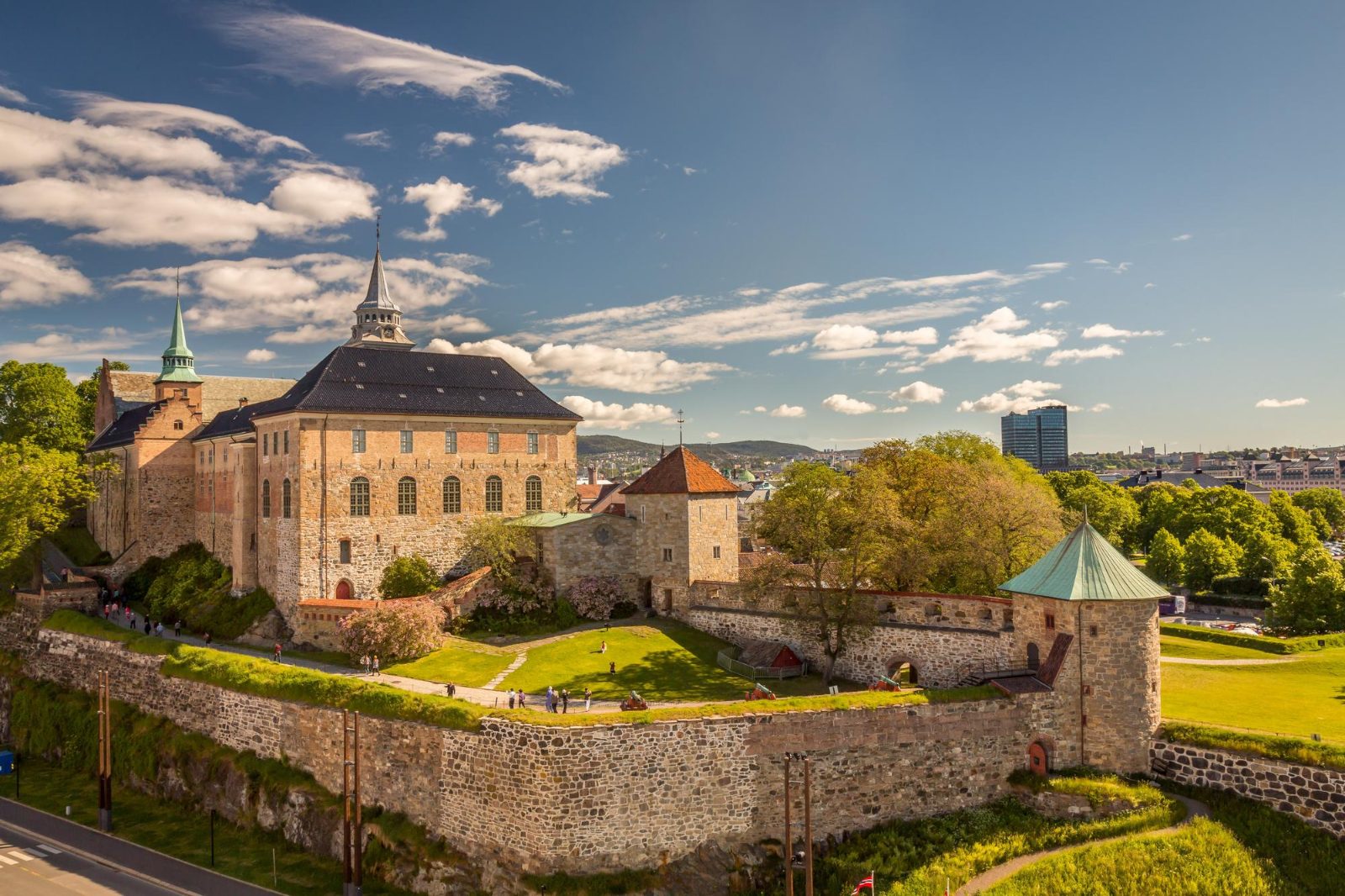
A medieval fortress and castle overlooking the Oslo Fjord with grounds open to the public. It houses military history exhibits and offers wide harbor views.
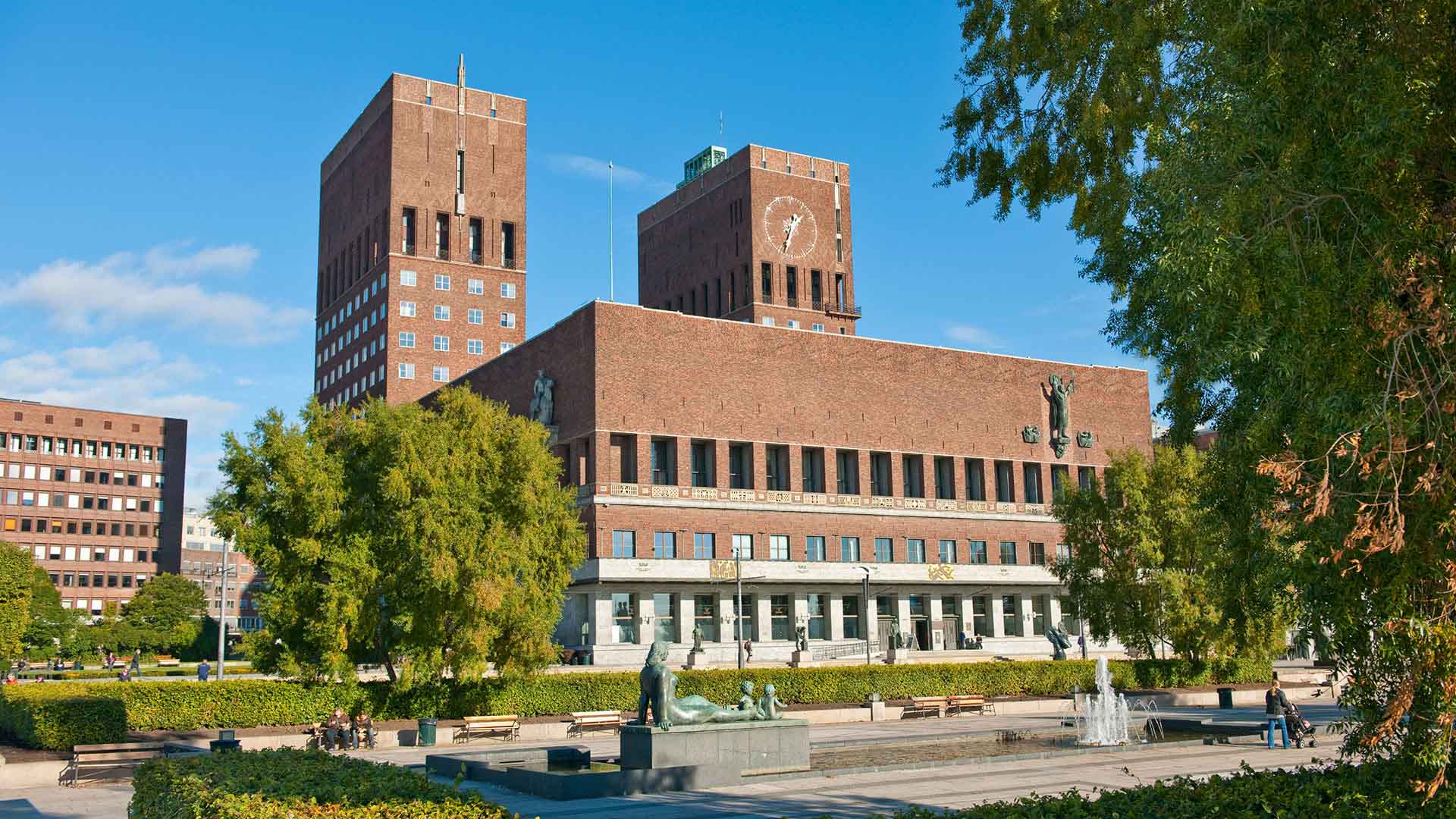
The brick building known for hosting the Nobel Peace Prize ceremony each December. Its courtyard features large murals depicting Norwegian history.
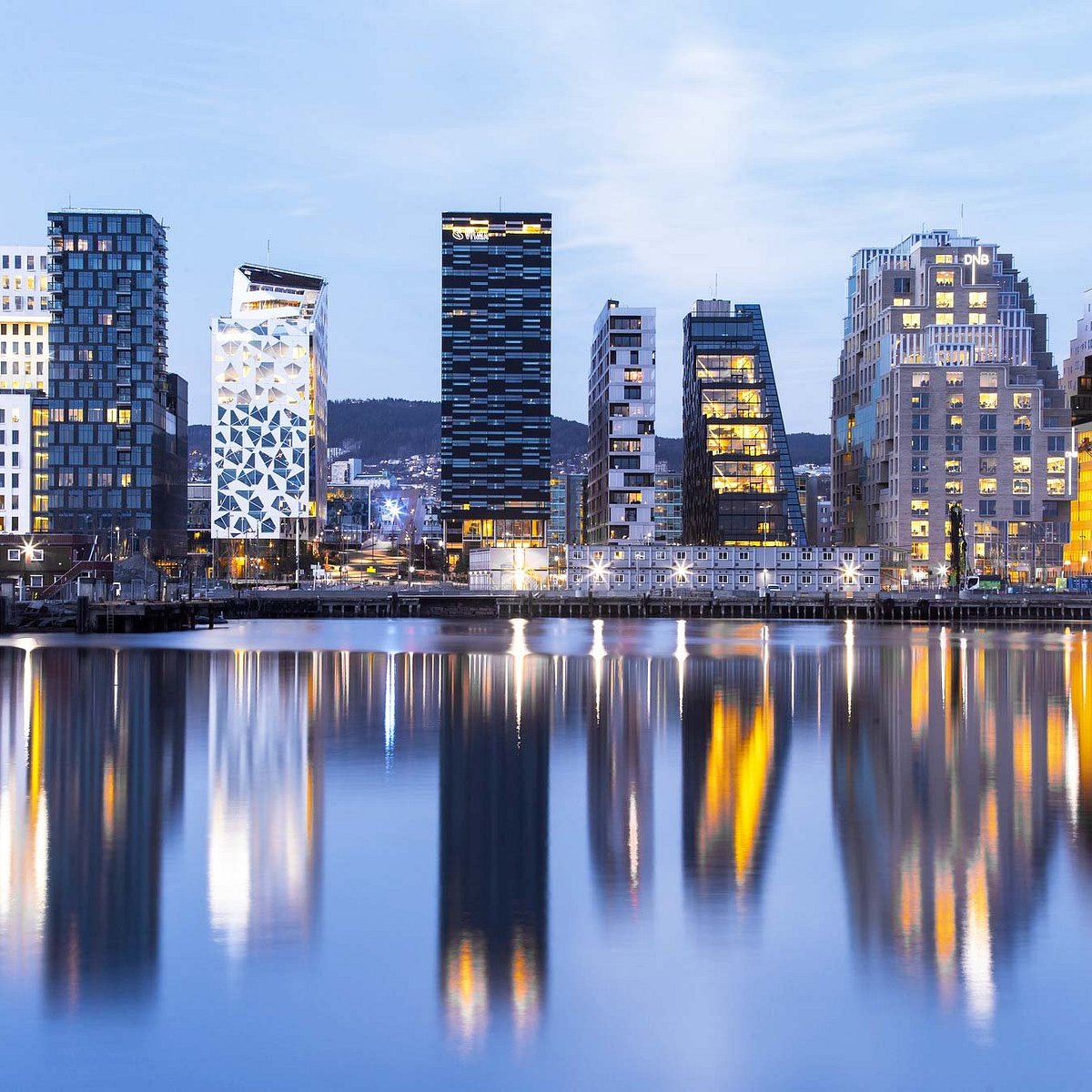
A row of modern high-rise buildings with distinctive vertical facades in the Bjørvika district. It sits directly behind the opera house along the waterfront.
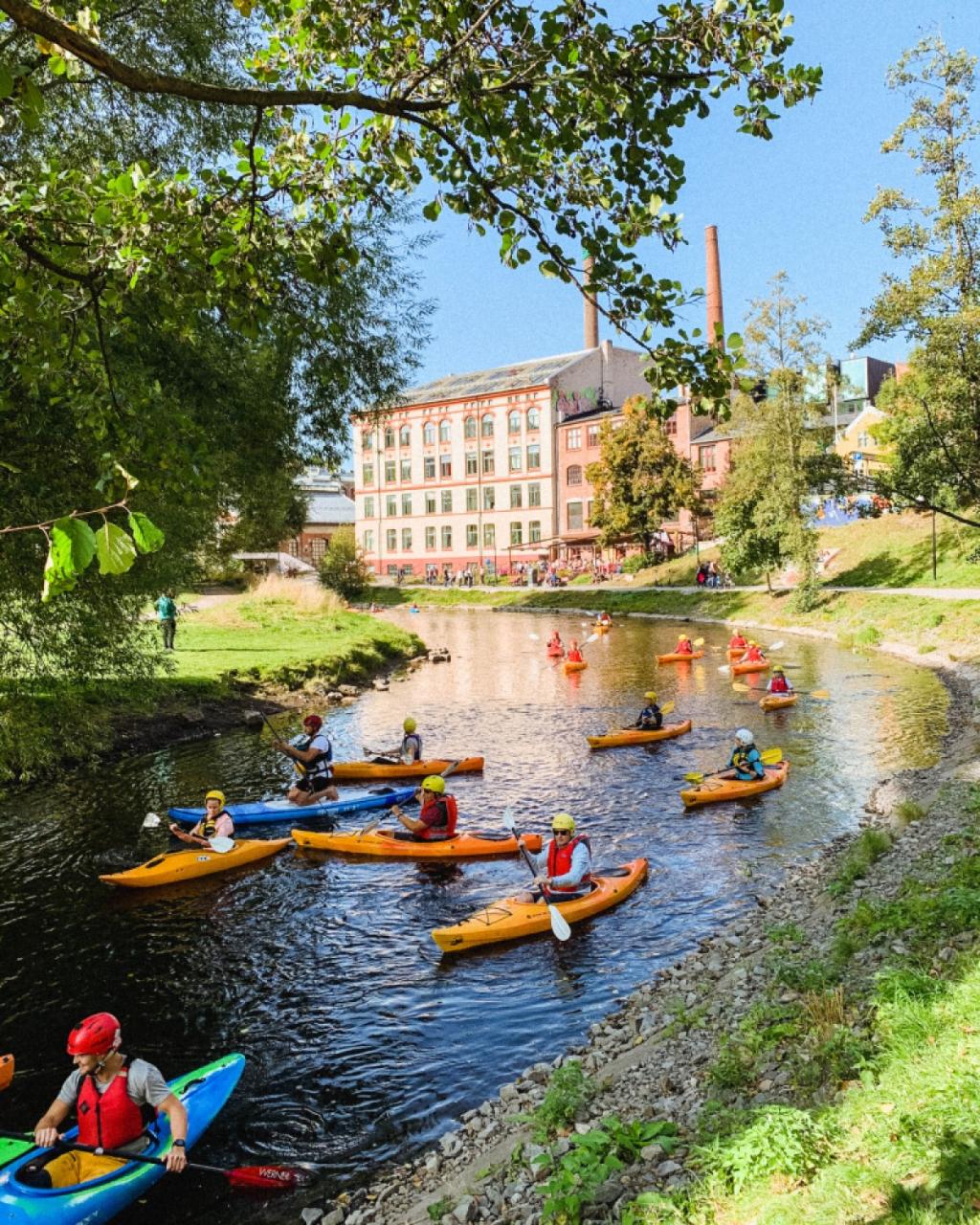
A green riverside path following the Akerselva river through central Oslo. It connects several old industrial sites turned public spaces.
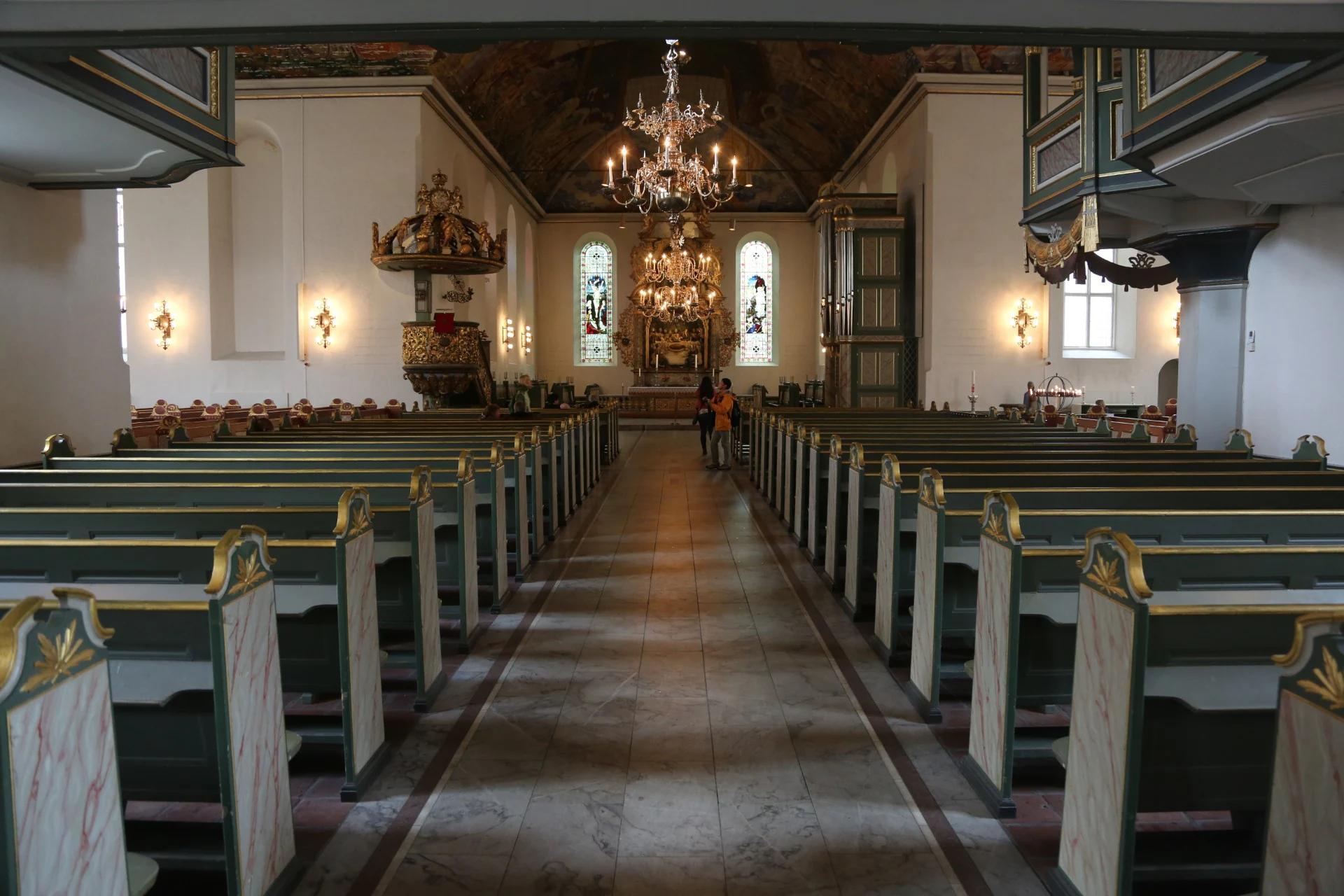
A 17th-century Lutheran cathedral with a distinctive baroque interior and painted ceiling. It remains an active parish church in the city center.
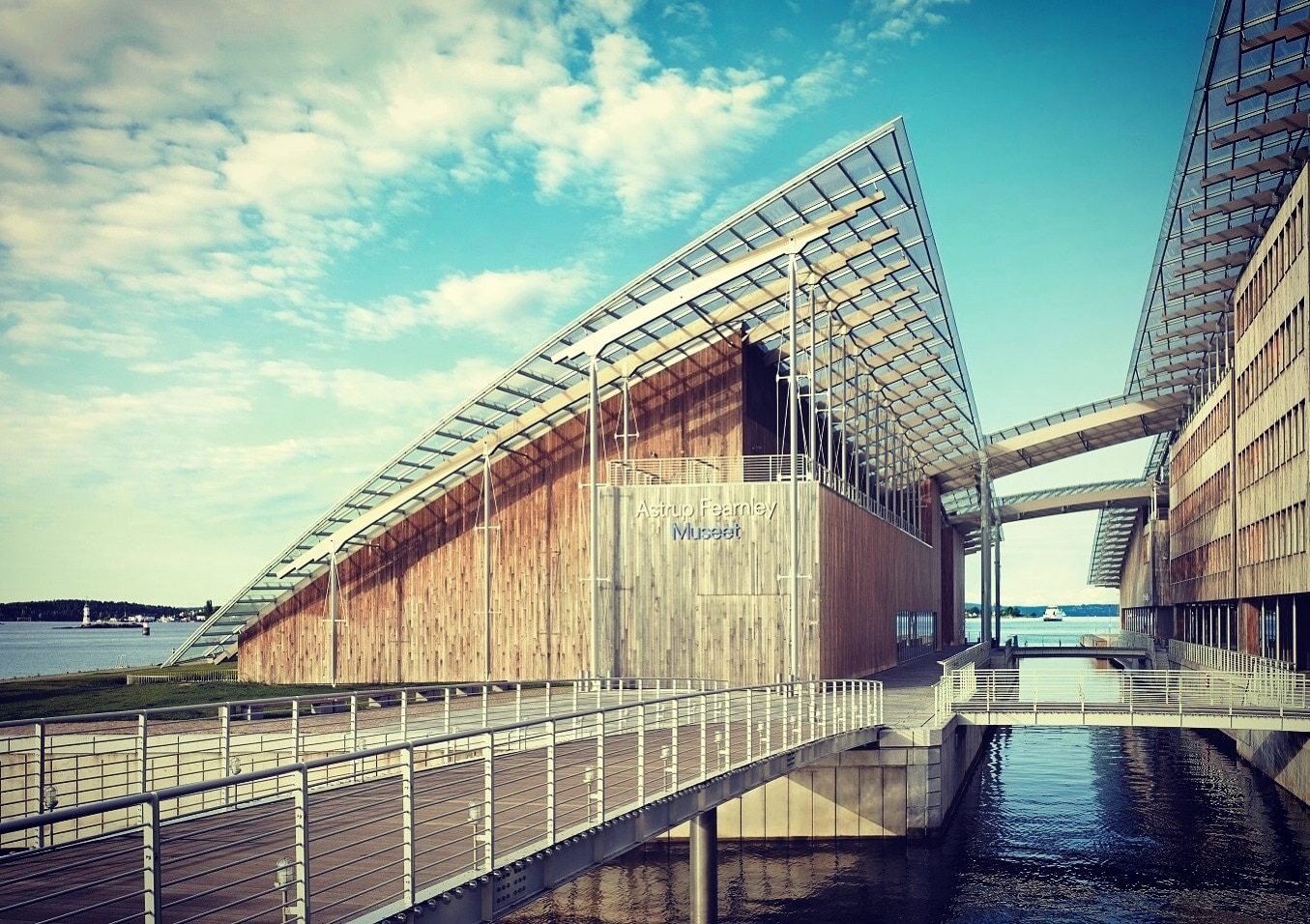
A contemporary art museum designed by Renzo Piano on the Tjuvholmen waterfront. Its glass sail-like roof echoes the fjord setting nearby.
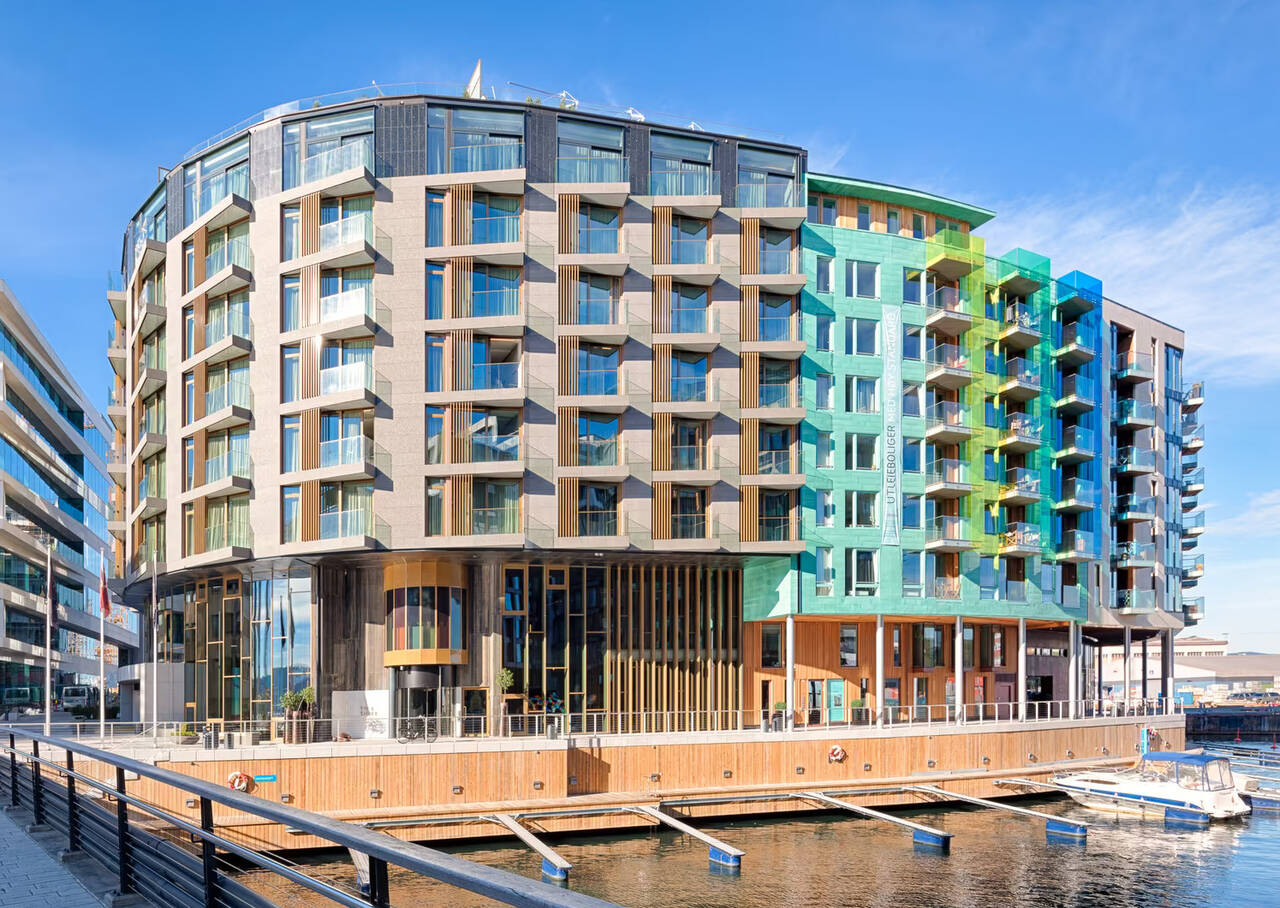
A design-forward waterfront hotel on Tjuvholmen with an art collection throughout its rooms.
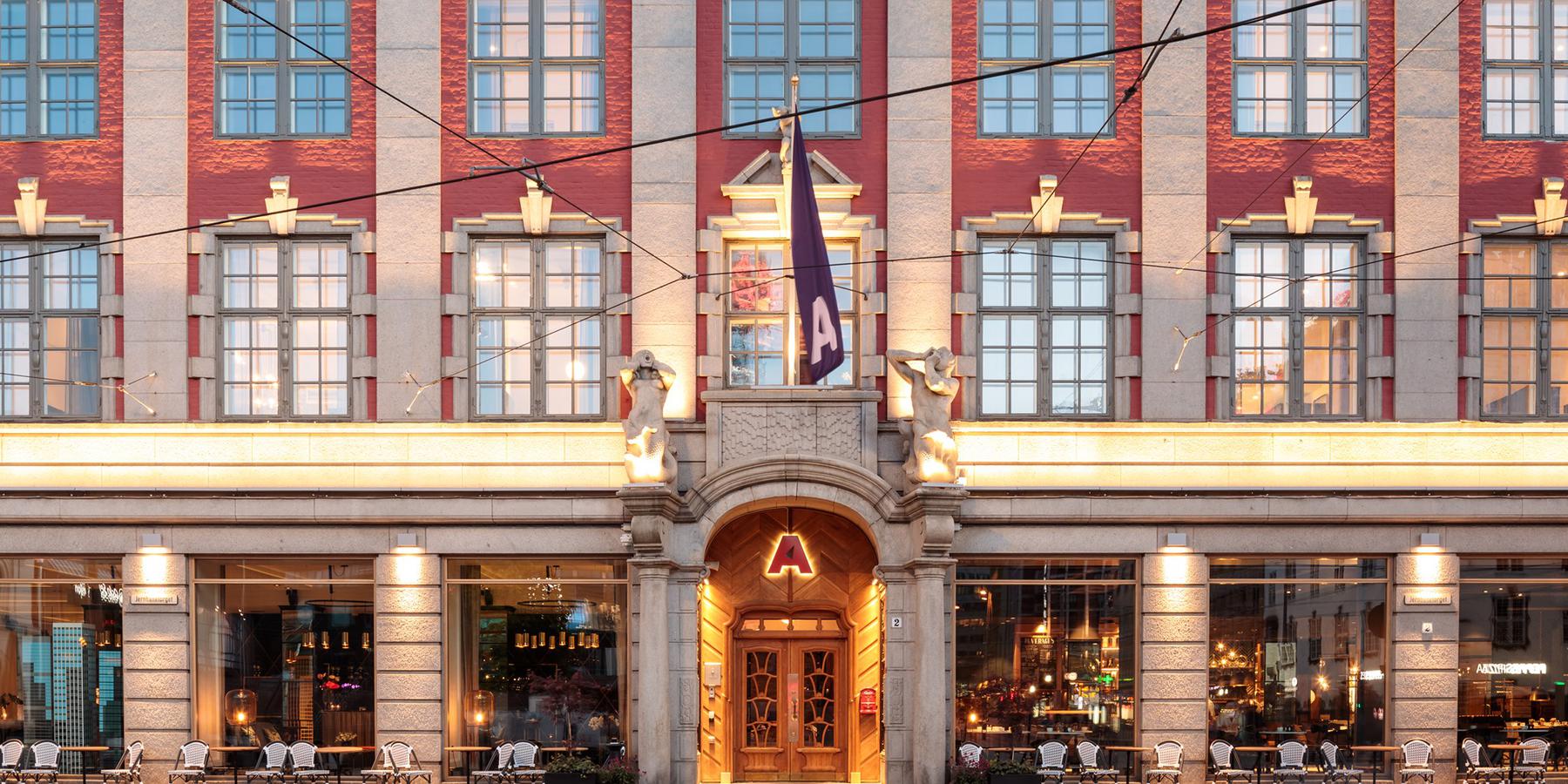
A hotel set in a former shipping company headquarters near Oslo Central Station.
A large modern hotel directly connected to Oslo Central Station, a short walk from the opera house.
A budget hostel option in the Grünerløkka direction with dorm and private rooms.
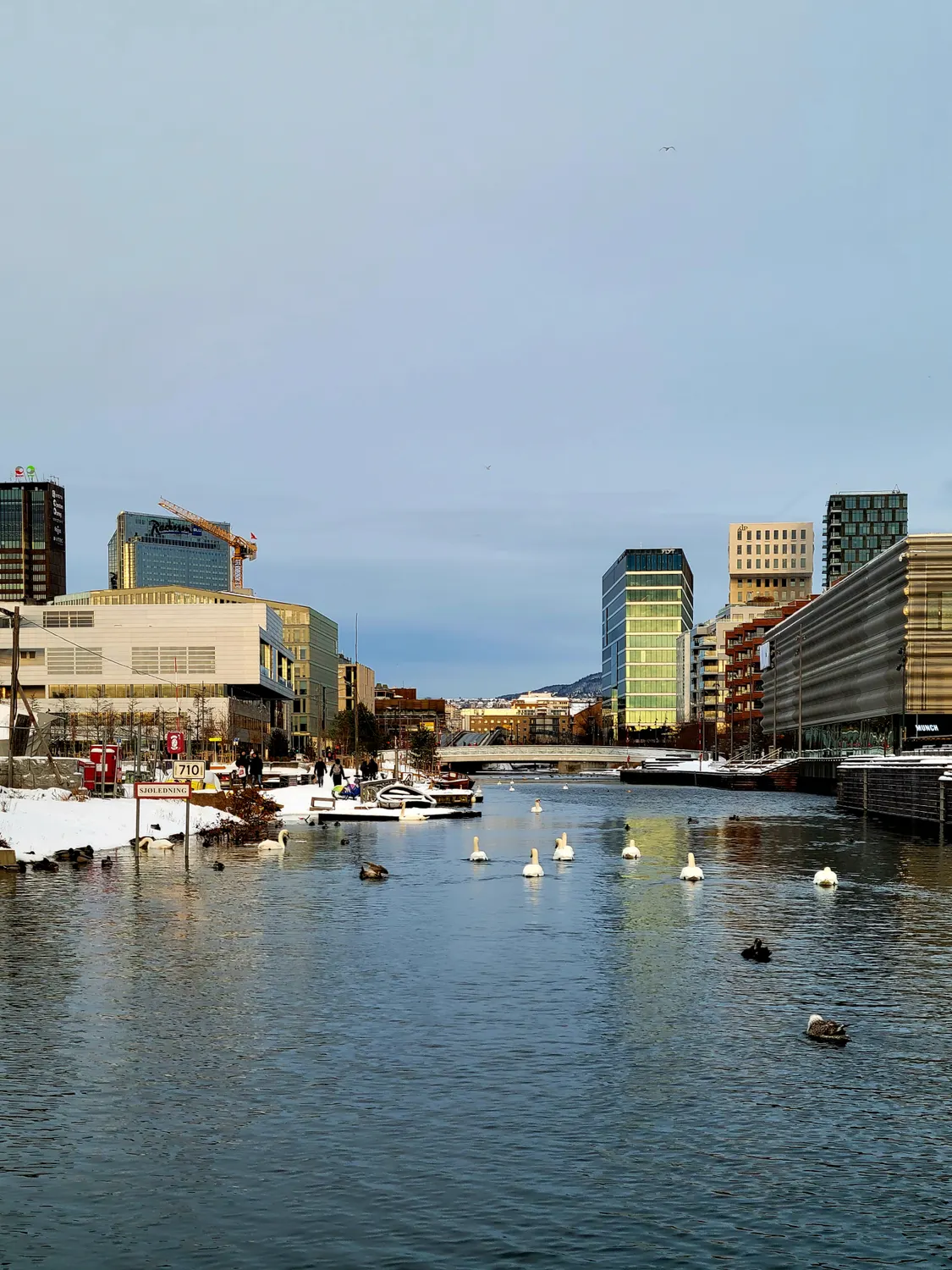
The waterfront neighborhood surrounding the opera house, with newer apartment-style stays and easy access to the fjord.
Join thousands of happy travelers who have discovered this incredible experience
Book Your Experience Now